
Beach and island wedding photography in Thailand comes with challenges that Bangkok hotel weddings simply do not have. After shooting at Koh Samui, Krabi, Railay, and along the Phuket coastline, I know what the difference between a good beach photo and a great one almost always comes down to. It has nothing to do with the location itself.
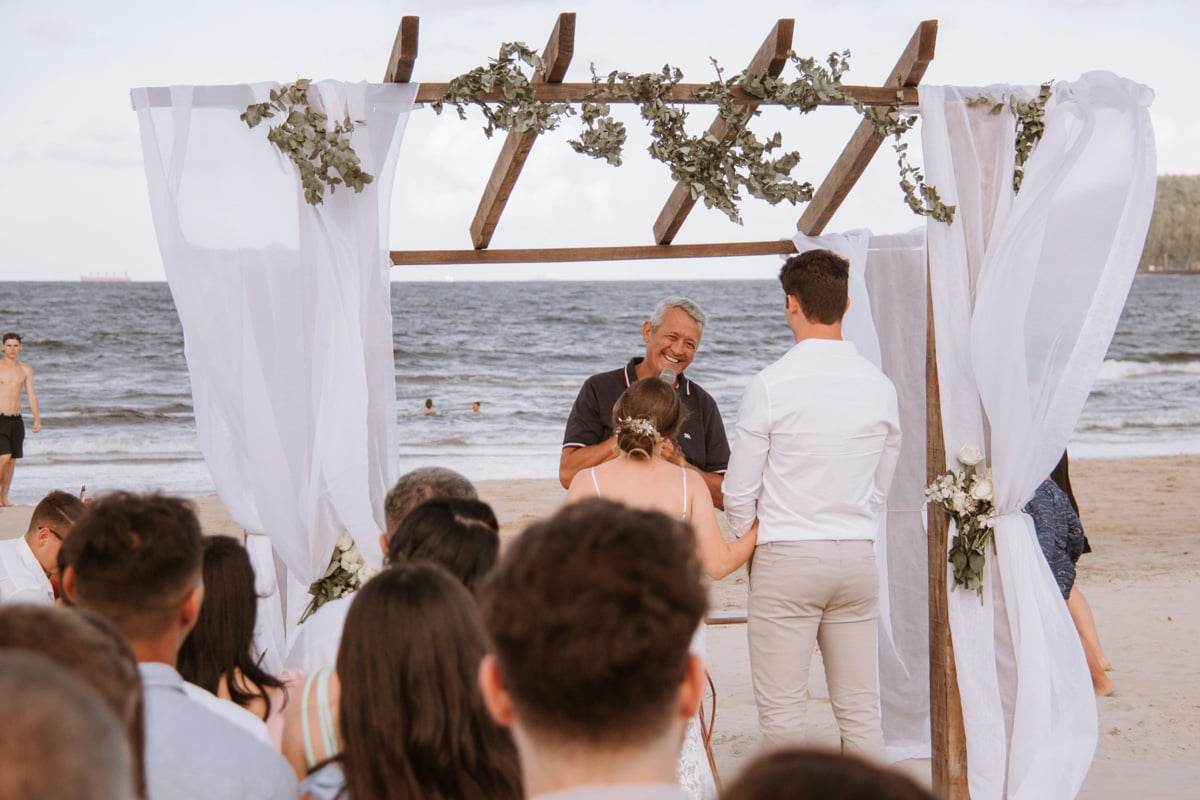
This guide covers what each location offers, what to plan for, and what to look for in a photographer who knows how to work in these conditions.
Why Beach Weddings Have Unique Photography Challenges
Outdoor beach ceremonies look effortless in the final photos. The reality involves managing direct sunlight, sea wind, sand, changing tides, and unpredictable weather. A photographer who has only shot in studios will struggle.
The photographers who get the best results on beaches are the ones who:
- Know how to position the couple relative to the sun throughout the day
- Understand when golden hour hits at each specific location
- Have shot in rain before and know how to adapt quickly
- Carry weather-sealed equipment for humidity and sea spray
- Can direct couples naturally so portraits feel relaxed, not stiff
Koh Samui
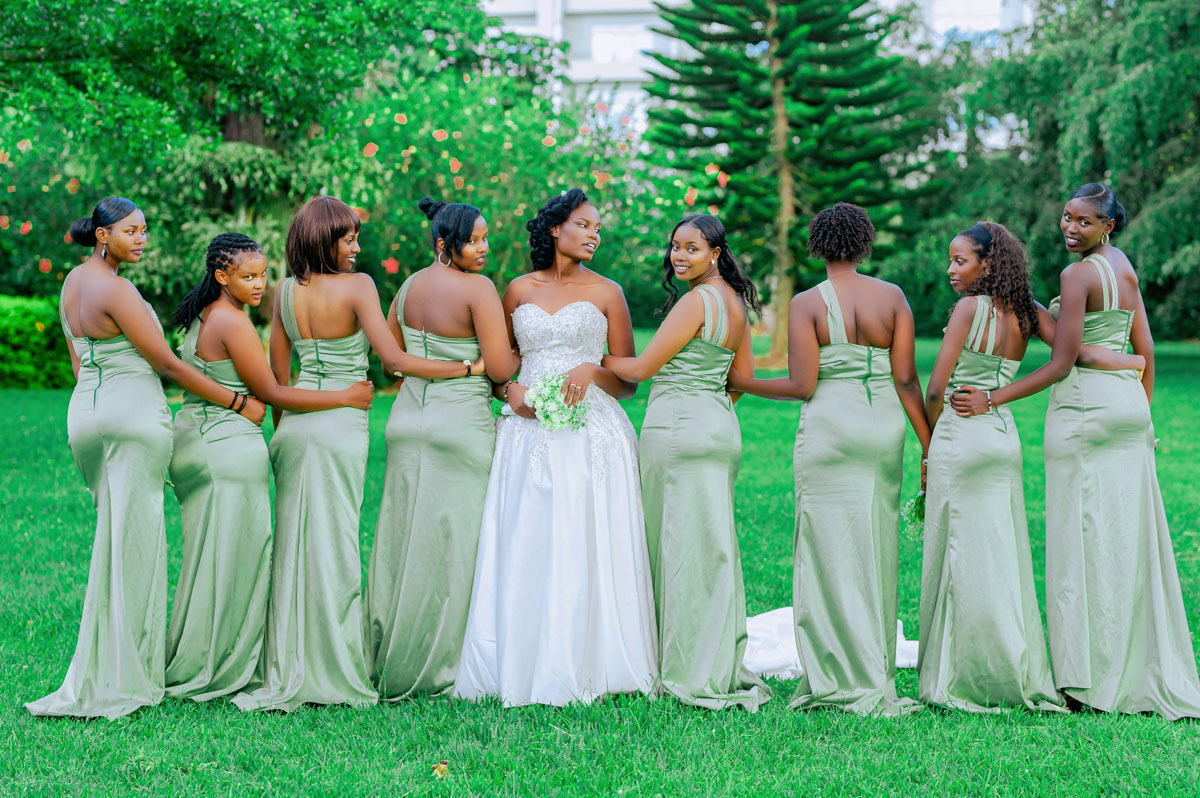
Koh Samui is Thailand's most established island wedding destination. The island has a mix of smooth sandy beaches on the north and east coasts, and rockier, more dramatic spots on the south, each creating a very different backdrop in photos.
For photographers, Koh Samui's variety is an asset. You can shoot dramatic boulders at one location, then move to a clear sandy stretch for portraits. The northern coastline works well in the morning. The west and south coasts catch sunset best.
Koh Samui is also one of the most popular locations for horse photoshoots: couples walking along the sand with horses at sunrise or golden hour. If you are planning this, book the horses through a verified local supplier, always have the handler present, and allow an extra 30 to 45 minutes in your timeline. Hua Hin works well for this too, with its long flat beaches and calmer surf making it one of the most practical spots in Thailand for animal sessions.
Koh Samui's rainy season runs May to October. If you are planning a beach ceremony in that window, always have a covered backup plan and discuss this with your photographer in advance.
Krabi
Krabi is visually dramatic. The limestone cliffs, turquoise water, and long-tail boats create a backdrop that does not look like anywhere else in the world. Railay Beach is one of the most sought-after wedding locations in the region, accessible only by boat and surrounded by cliffs on all sides.
Shooting in Krabi requires extra logistics planning. Getting equipment to and from Railay, managing afternoon light that hides behind the cliffs early, and coordinating boat transfers with your photographer all take advance preparation.
Pattaya
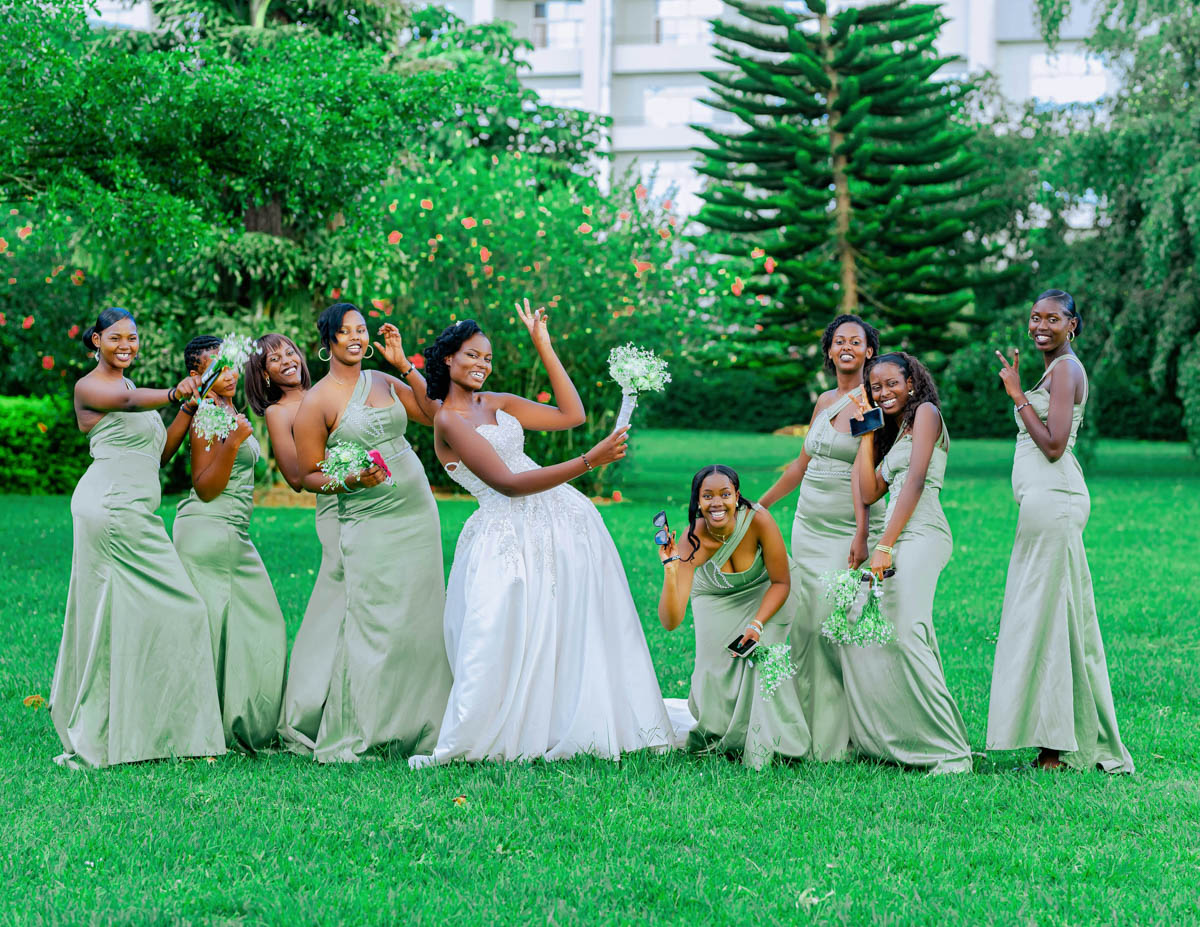
Pattaya is Thailand's closest coastal destination to Bangkok, just two hours by road. It suits couples who want a beach or garden setting without the cost and logistics of island travel, and it works particularly well for couples whose guests are coming from Bangkok for a single day or weekend.
The photography in Pattaya divides into two distinct settings. The main Pattaya Bay area is busy and urban, better suited to rooftop or hillside venues with sea views than to beach portraits. The quieter spots around Jomtien Beach and the southern coastline offer cleaner sightlines and better light in the late afternoon, making them the stronger choice for outdoor ceremonies and golden hour portraits.
Timing matters more in Pattaya than on the islands. The bay faces west, so late afternoon is when the light becomes genuinely useful for photography. Ceremonies scheduled to finish by 4:30 PM leave enough time for a proper golden hour portrait session before the light drops. Pattaya is also popular for pre-wedding photoshoots booked separately from the main ceremony, often combined with a Bangkok session the following day.
Phuket
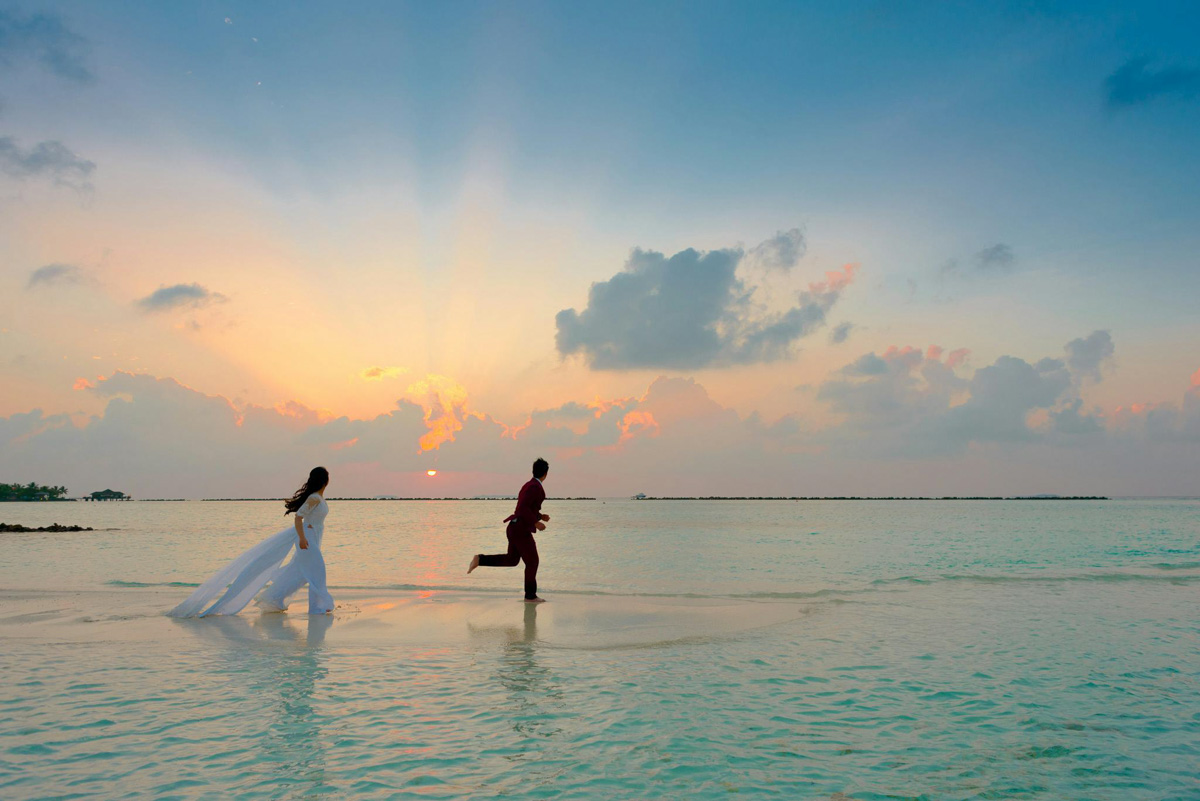
Phuket offers the widest range of beach settings in Thailand, from the busy west coast at Patong to the quieter, more photogenic stretches at Nai Harn and Kata Noi in the south. For wedding photography, the southern beaches give the best results: fewer crowds, cleaner sightlines, and better light in the late afternoon.
Phuket's scale also means more flexibility on timing. Unlike Railay, which requires boat transfers, most Phuket ceremony locations are accessible by road, which simplifies logistics for couples and photographers alike.
What to Include in Your Island Wedding Photography Brief
Island weddings have more moving parts than city weddings. A clear brief saves time and ensures the photographer covers what matters most.
- Arrival logistics: which pier, which resort entrance, boat transfer details
- Timeline with buffer for golden hour (non-negotiable for beach weddings)
- Any special elements like horses, fire dancers, or floating lanterns
- Beach and venue rules (some resort beaches restrict photography to guests only)
- Backup plan if weather changes during the ceremony
Ready to lock in your date? Check availability here.
What Does Island Wedding Photography Cost?
Travel to Koh Samui or Krabi adds to the overall cost. Expect around 30% on top of the base package price to cover the photographer's transport and accommodation. A 4-hour session at 34,000 THB base, for example, would be approximately 44,200 THB with the island travel fee. An 8-hour full-day package at 60,000 THB base would be approximately 78,000 THB.
Ask whether the travel fee is itemised separately or included in a flat island rate before confirming your booking.
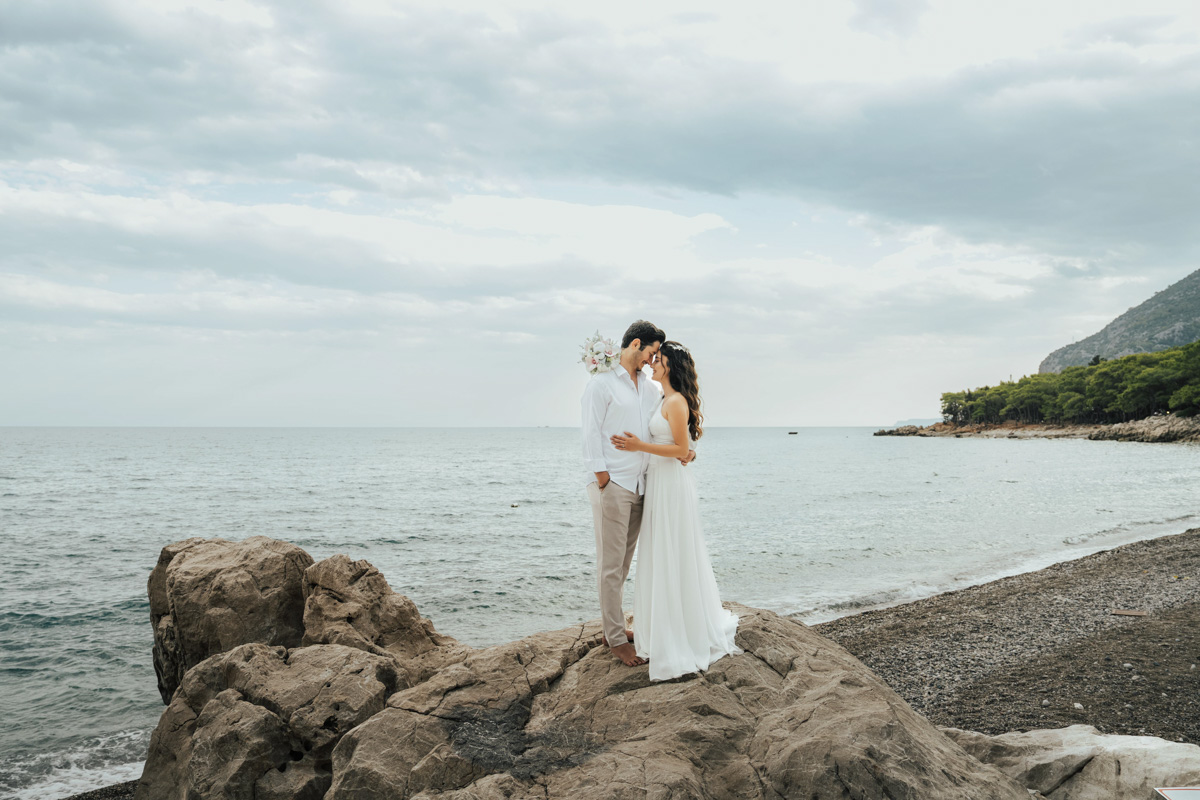
Plan Your Island Wedding Photography
The Lukfoto team covers beach and island weddings throughout Thailand, including Koh Samui, Krabi, Phuket, and Pattaya. See the full approach and gallery at lukfoto.com/wedding.
Tell us your island, your date, and your vision