
- The rule
- Shoulders and knees coveredApplies to men and women alike. Nothing sheer, nothing skin-tight.
- Shorts
- Risky for men, no for womenThe full answer depends on length, gender and what day you visit. Read this before you pack
- If you get it wrong
- Sarong rental at the entranceAbout 20 THB plus a 100 THB refundable deposit, cash only (checked October 2026). Wat Arun is stricter than most Bangkok temples about accepting one.
- The easy way out
- Rent a Thai costumeSolves the dress code and the photos in one go. How the rental shops work
Checked on the ground in September 2026 and confirmed again (checked October 2026).
Turning up at the Temple of Dawn in shorts and a tank top is one of the most common tourist mistakes in Bangkok. This guide covers exactly what passes the dress code for men, women and kids, what to do if you arrive underdressed, and the traditional costume option that sidesteps the problem entirely.
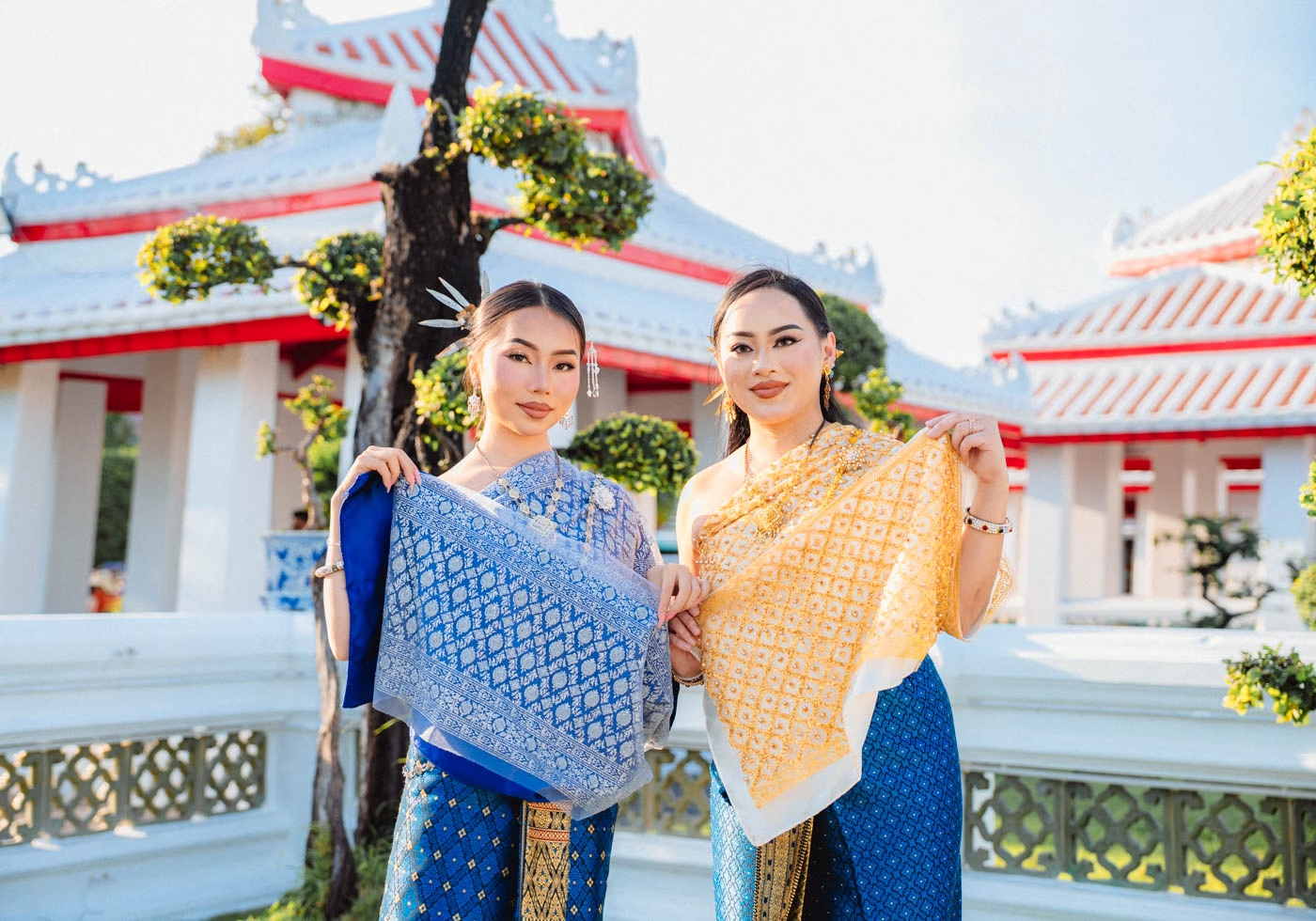
Can you wear shorts to Wat Arun?
This is the question we get asked more than any other, and the honest answer is that it depends on who is wearing them.
Shorts of any length, including longer walking shorts, are not accepted. Neither are miniskirts. You need pants, a long skirt or a dress that clearly covers the knee when standing and sitting.
Knee-length shorts are usually accepted in practice. Above the knee is not. On ceremonial days and during busy festival periods, staff tighten up and may ask you to cover regardless.
The practical takeaway: if you are a man and your shorts reach the knee, you will probably be fine, but you are gambling on which staff member is on the gate that morning. Long lightweight pants remove the gamble entirely and cost you almost nothing in comfort if you pick the right fabric.
Zip-off convertible pants are the underrated fix here. Shorts for the walk and the ferry, long pants the moment you reach the entrance. Nobody at the temple cares that they zip.
Wat Arun dress code for women
The rules for women are the stricter of the two, so this is where most visitors get tripped up:
- Shoulders covered. A regular t-shirt works fine. Tank tops, spaghetti straps, crop tops and off-shoulder blouses do not.
- Knees covered. Pants, long skirts and dresses that extend past the knee are all acceptable. Shorts and miniskirts are not.
- Nothing too tight or sheer. Even technically covered outfits can get flagged if they are skin-tight or see-through.
- Do not count on a scarf. Some Bangkok temples let you drape a shawl over bare shoulders as a quick fix. Wat Arun usually does not. A proper sleeved top is the safe bet.
- Check the sitting length. A dress that covers the knee standing up can ride well above it on the prang steps. Test it before you leave the hotel.
The most comfortable combination for Bangkok heat is a loose maxi dress, or lightweight palazzo pants with a plain cotton tee. Both tick the boxes without turning you into a sweaty mess.
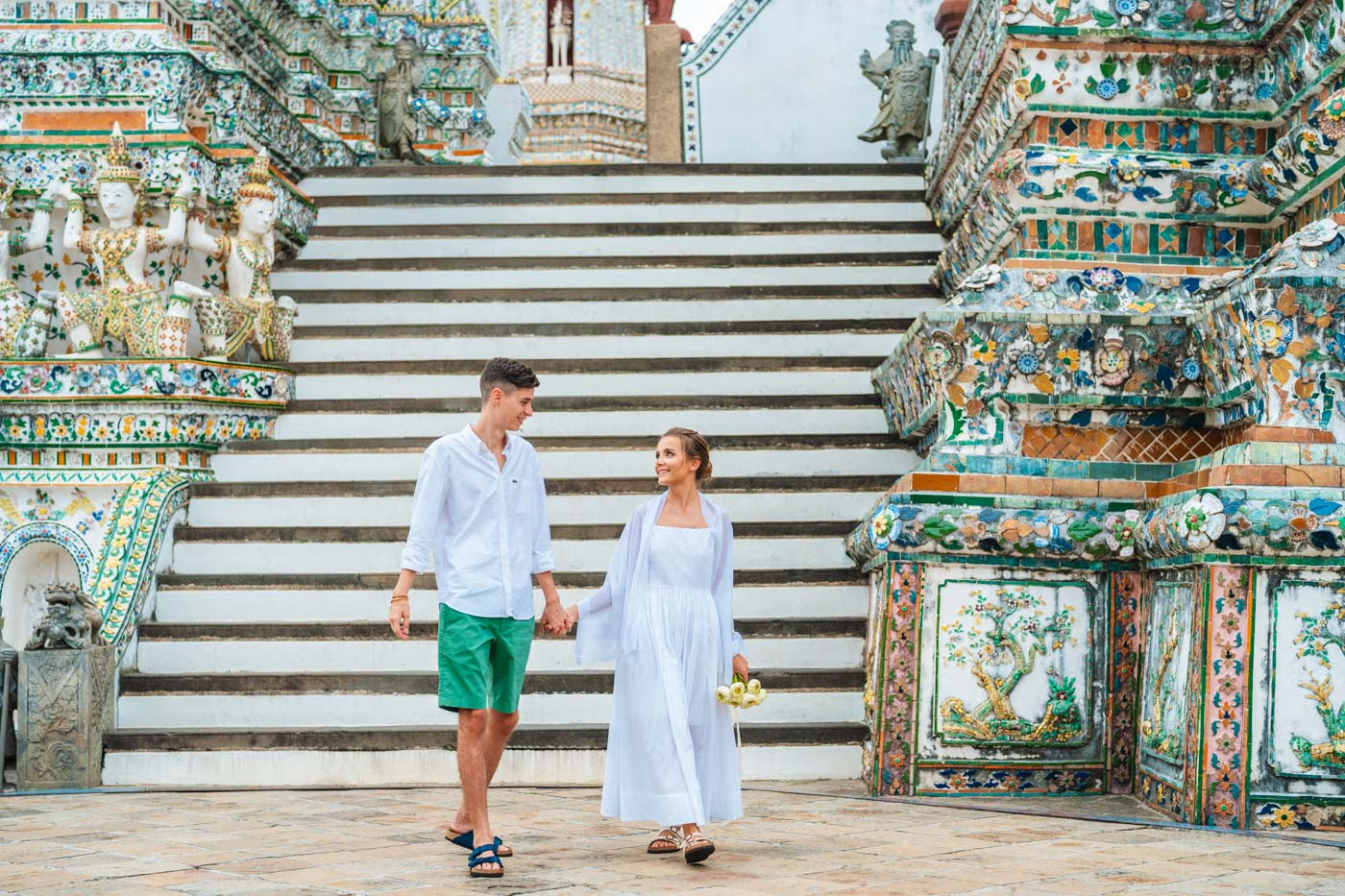
Wat Arun dress code for men
Men have it a little easier, but there are still a few things to get right:
- Shoulders covered. A t-shirt or button-down is fine. Tank tops and sleeveless shirts are out.
- Pants over shorts, ideally. Long pants to the ankle never get questioned. Knee-length shorts usually pass, but see the section above for when they do not.
- Clean and presentable. You do not need to dress formally. Just do not turn up in a ratty gym outfit.
- Slip-on shoes help. You will be taking your shoes off before entering certain buildings, so something easy to remove saves a lot of fumbling.
A breathable linen or cotton button-up with lightweight trousers is the sweet spot. Respectful enough for the temple, cool enough for 34°C.
Kids' dress code at Wat Arun
Enforcement for children is noticeably more relaxed, but it is still worth dressing them appropriately, both to avoid awkwardness at the entrance and because it is a decent cultural lesson in itself.
- Under 7. Staff tend to be lenient, but a t-shirt with pants or a knee-length skirt is still the polite default.
- Older kids and teens. The adult rules quietly start applying. Teenage boys in long pants and teenage girls with shoulders and knees covered will have no issues anywhere in the complex.
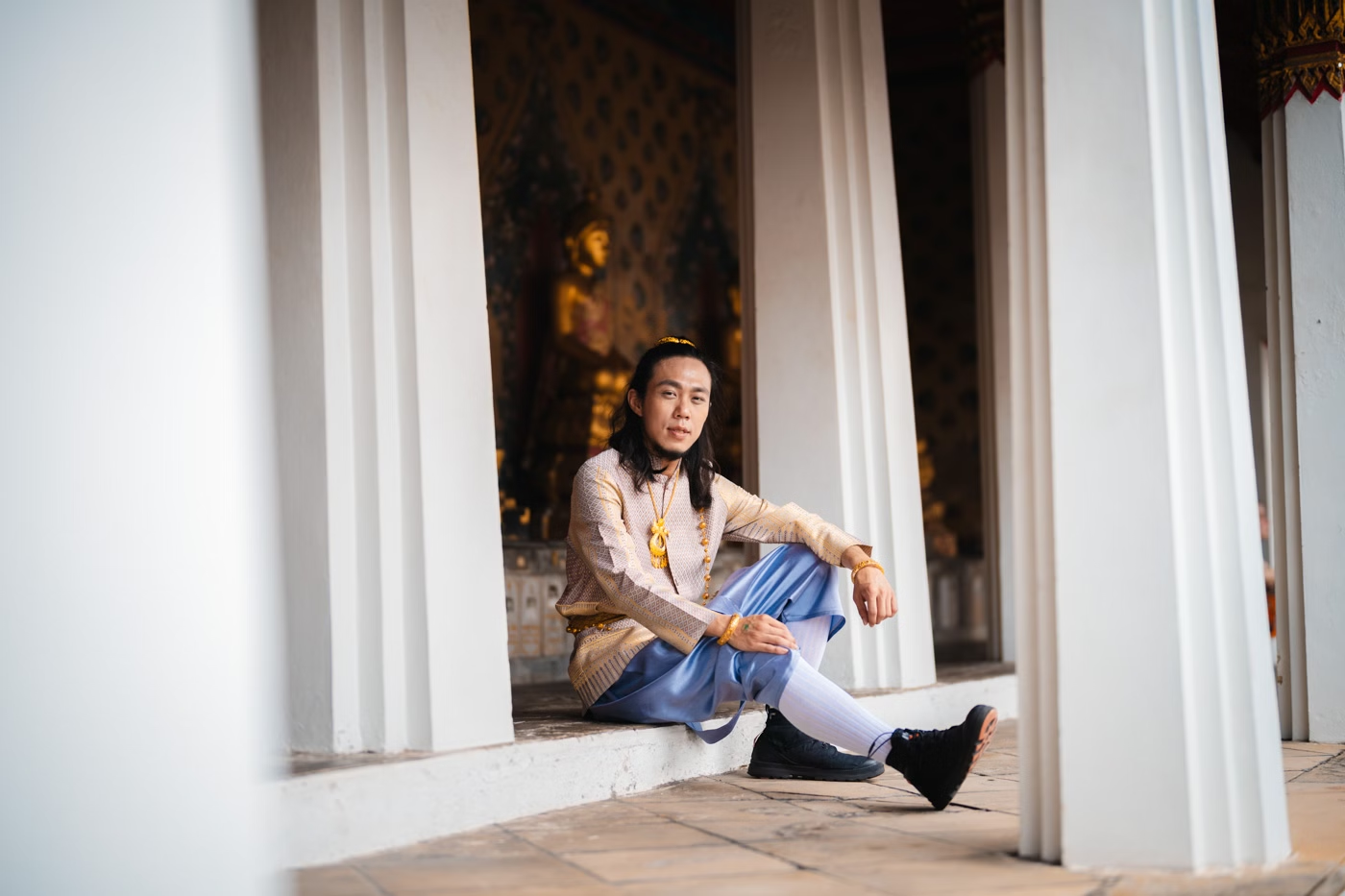
The traditional Thai costume option
There is a workaround that has become popular over the last few years. Instead of planning a modest outfit, rent a full traditional Thai costume for the day. It clears the dress code automatically, looks striking against Wat Arun's porcelain-covered spires, and locals generally appreciate the gesture.
Rental shops line the approach streets in every direction. Most charge somewhere in the region of 100 to 300 THB, accept walk-ins without booking, and can have you dressed and out the door in under half an hour. Add-on hair and makeup typically runs a couple of hundred baht more at the same shops. Quality is inconsistent shop to shop, but the temple backdrop is forgiving. Our full guide to Thai costume rental covers how to pick a good one.
If you want professional photoshoot makeup rather than the rental-shop basic version, that is a separate service worth arranging in advance.
Doing the costume properly and want photos that match? We shoot at Wat Arun most weeks and can tell you which hour will actually be quiet on your date.
What if you show up underdressed?
It happens. Flights land, people underestimate Bangkok's heat, and not everyone reads a dress code guide ahead of time. You have three options:
- Rent a sarong at the entrance. The fee is small, with a refundable deposit on top, and it is cash only. Bring small notes. Staff are not usually interested in breaking a 1,000.
- Buy something from a nearby vendor. Stalls around the temple sell cheap fisherman pants, wrap skirts and scarves. The quality is fine for a single visit.
- Come prepared. Easiest of all. Throw an extra layer or a pair of lightweight pants in your day bag before you leave the hotel.
One thing worth knowing from experience: Wat Arun enforces its dress code more strictly than most Bangkok temples. A loose sarong that got you into Wat Pho might not fly here, and staff sometimes want proper pants or a full-length skirt underneath. At midday the rental queue is also at its longest, which is one more argument for arriving early.
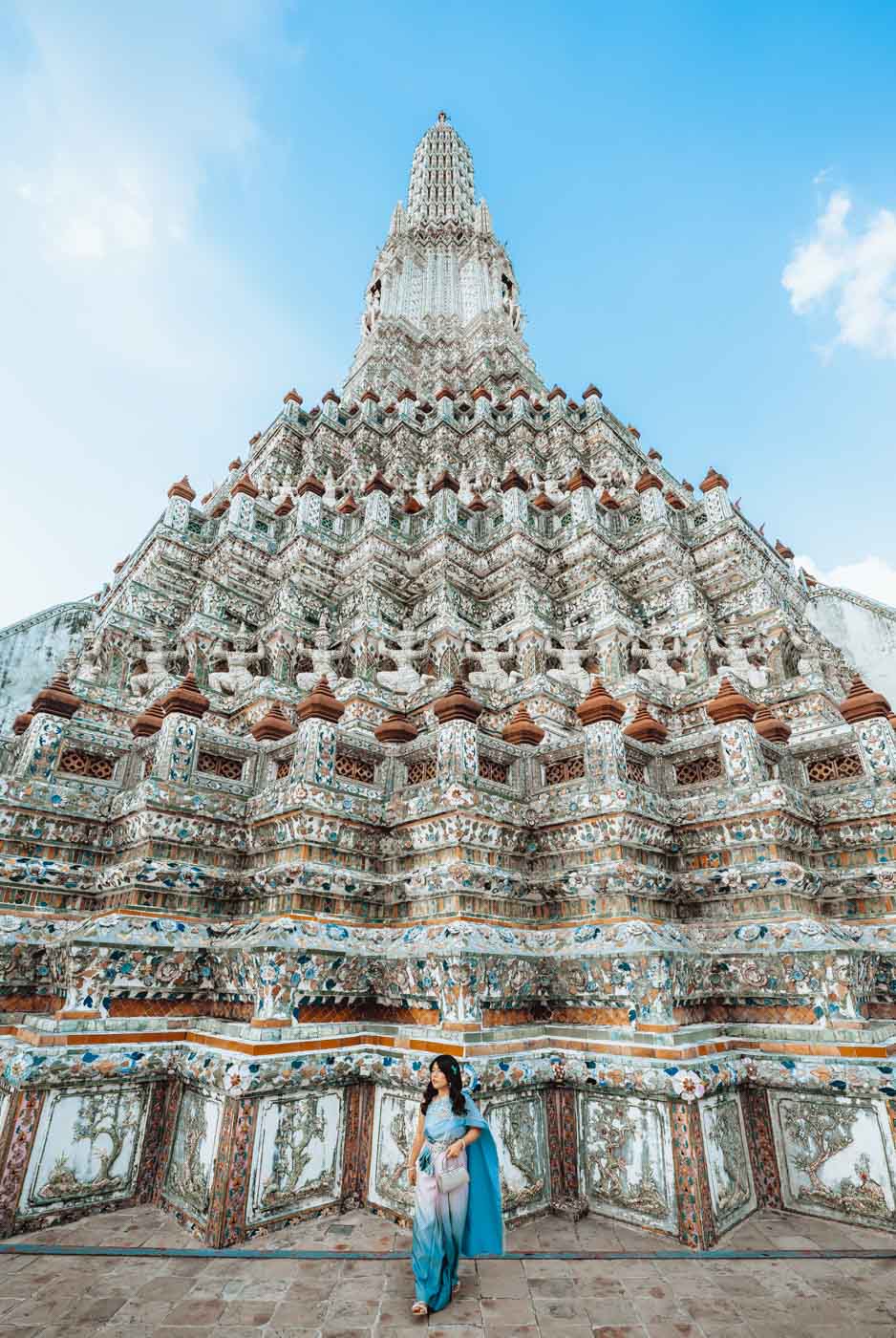
Staying cool while covered up
Bangkok in April and May can hit 38°C with brutal humidity, and the temple grounds have very little shade. A few things make covered-up dressing genuinely tolerable:
- Natural fabrics only. Cotton, linen, rayon or a bamboo blend. Synthetics trap heat and you will feel it within ten minutes.
- Loose, not fitted. Air circulation matters more than the silhouette.
- Light colors over dark. Black pants in Bangkok at midday are a mistake you make once.
- Zip-off convertible pants, for the reason above.
- A hat, sunscreen and a small towel for wiping sweat. The towel sounds fussy until you are on the prang steps.
Etiquette beyond the dress code
A few quick points that catch visitors off guard: shoes come off before entering any building or raised platform, do not touch Buddha images or sacred objects, keep voices down since worshippers use this space, and women should avoid direct physical contact with monks.
Before you go
The dress code is only one of the things worth sorting out in advance. These cover the rest.
Jami leads makeup, hair and styling on our team, so she can help you plan a temple-friendly outfit that still looks good on camera.
Common questions
Can I wear shorts to Wat Arun?
Women, no. Men, usually yes if the shorts reach the knee. Shorts above the knee are not accepted.
Can I wear leggings or yoga pants?
They cover your legs, but very tight clothes can get flagged. A loose skirt or wrap over them is safer.
Are sandals or flip-flops allowed?
Yes. You take your shoes off before some buildings, so slip-ons help. Wear shoes with grip if you plan to climb the prang.
Is a scarf or shawl enough to cover my shoulders?
Usually not at Wat Arun. This temple tends to want a sleeved top. Bring a light t-shirt or shirt instead.
How much does sarong rental cost at Wat Arun?
About 20 THB, plus a 100 THB deposit that you get back, cash only (checked October 2026).
Will a Wat Arun outfit also work at Wat Pho and the Grand Palace?
Yes. Wat Arun and the Grand Palace are the strictest. If you pass here, you will pass at the others.
Final thought
The dress code is simple once you know it, and getting it right removes the one thing that can derail an otherwise beautiful visit. Whether you dress modestly in your own clothes or lean into the traditional costume, sorting it out before you leave the hotel means you can spend the visit looking at the temple rather than negotiating at the gate.
Planning a photoshoot too?
See our Wat Arun photoshoot service. Costume and makeup are optional add-ons if you want them, and the page has honest advice on timing, crowds and quieter temple alternatives.