Choosing a wedding photography style in Thailand is one of the most overlooked decisions couples make. After shooting weddings in everything from Bangkok hotel ballrooms to Krabi beachfronts, I have seen every style in practice. The gap between loving your photos and feeling indifferent about them almost always traces back to this one choice.
This guide explains each major style in plain language so you can make an informed decision, not just go with whoever appears first in a search result.
The Main Wedding Photography Styles
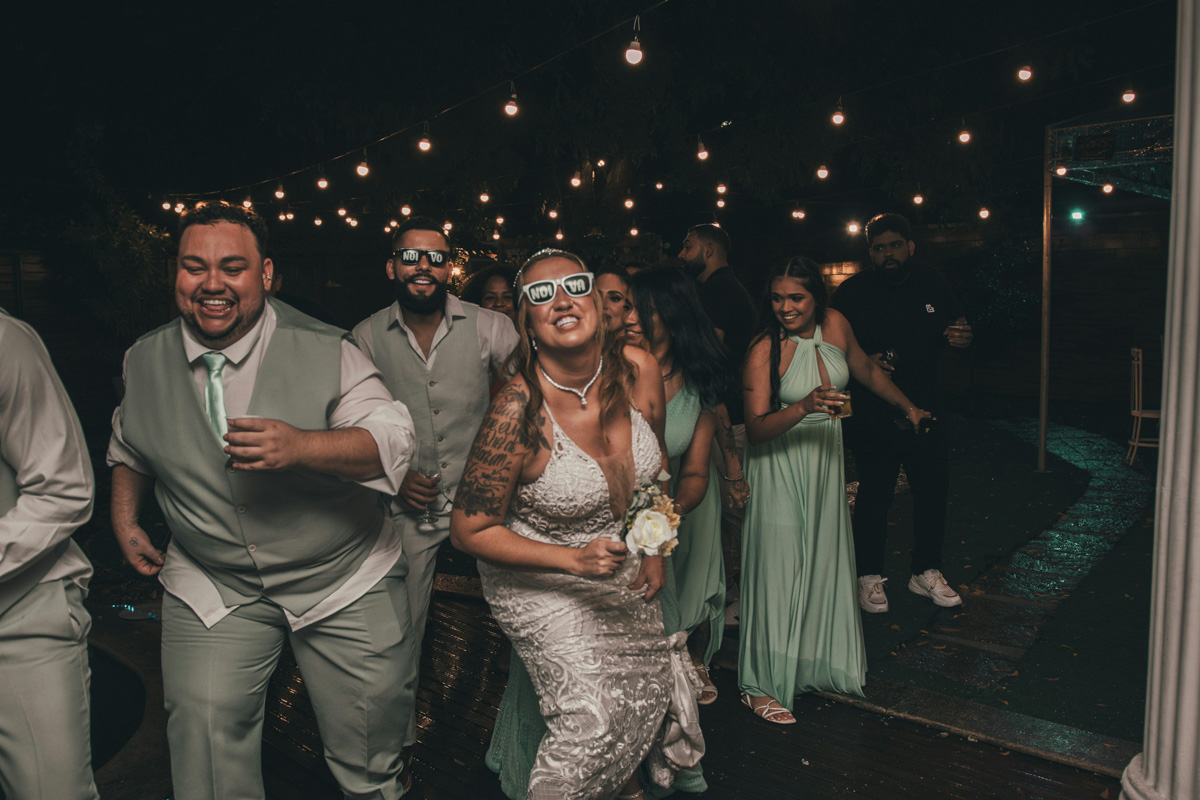
Documentary (Candid)
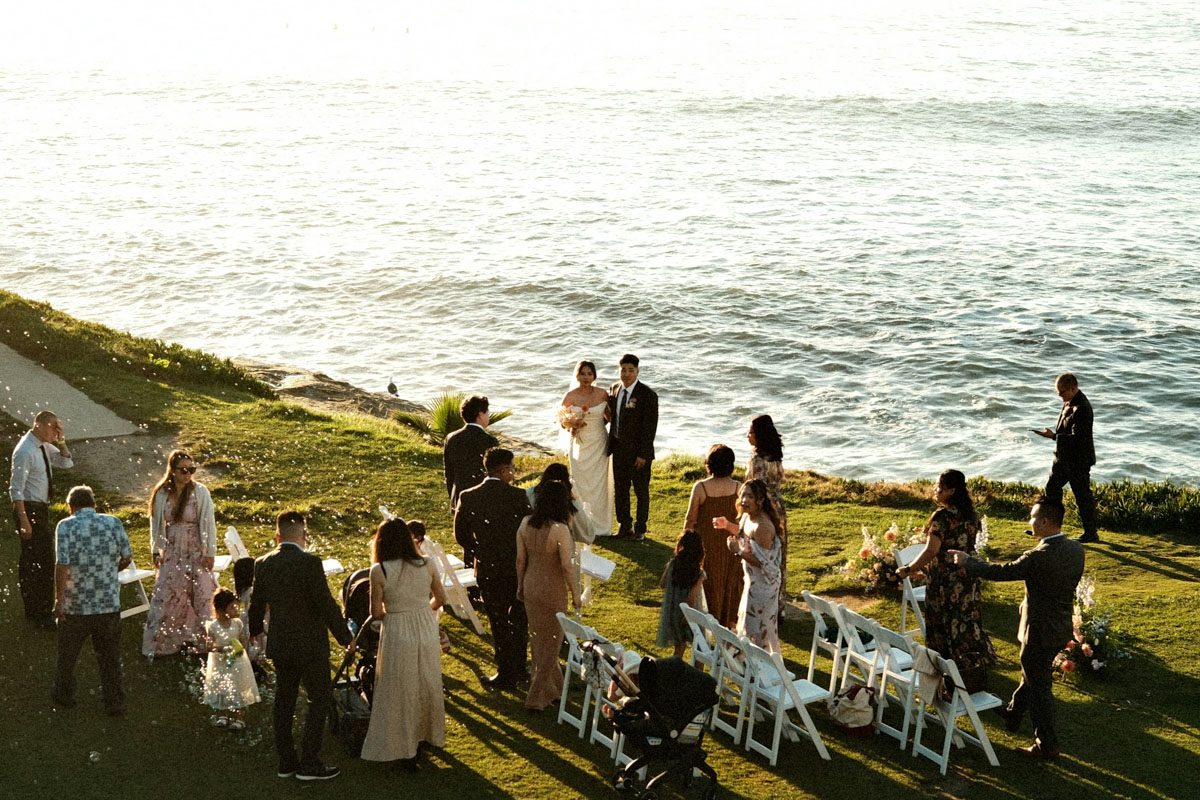
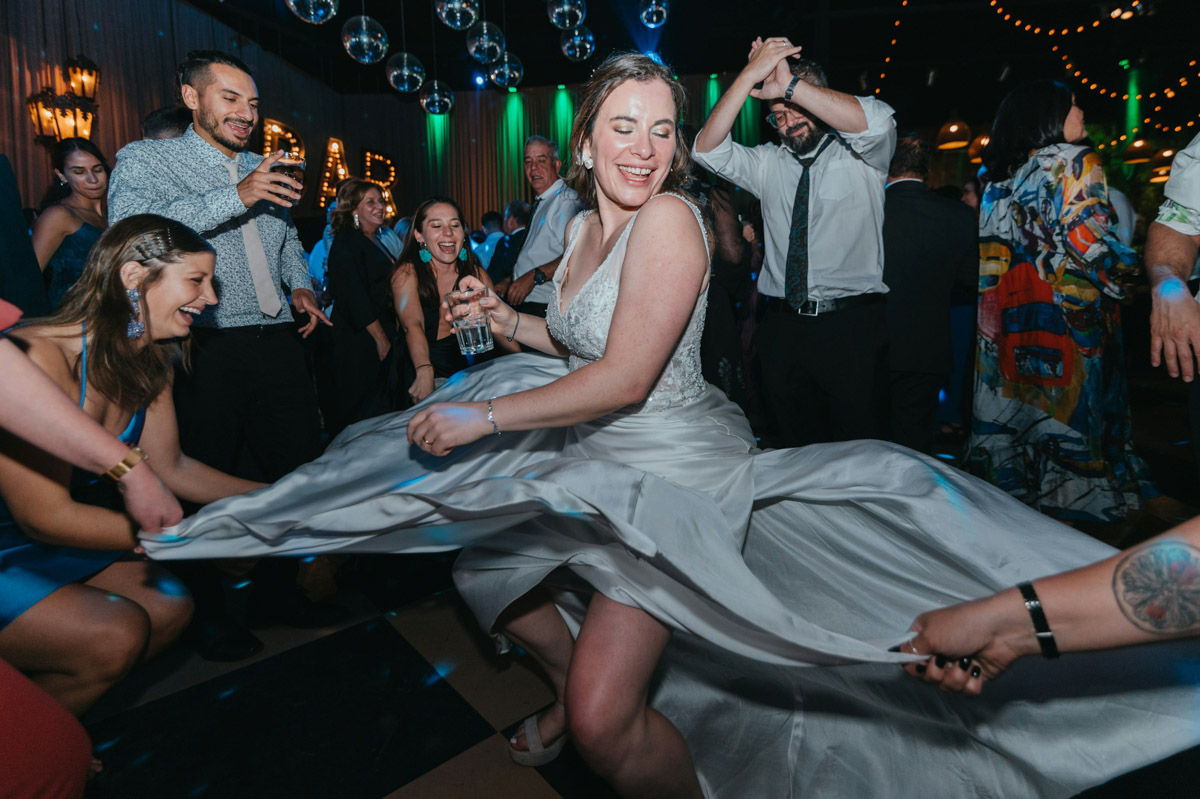
The photographer works as an observer. They do not pose you or stage moments. They move through the day and capture things as they happen: your grandmother wiping a tear, the look on your face when you see each other for the first time.
This style works best when you want a truthful record of the day. The results feel alive and unscripted. To see what this approach looks like in practice, the candid photography gallery gives a clear picture.
Not right for you if: you have a long list of specific group shots you want covered, or if you will feel anxious knowing the photographer is not directing. Documentary requires trust in the process.
Traditional / Classic
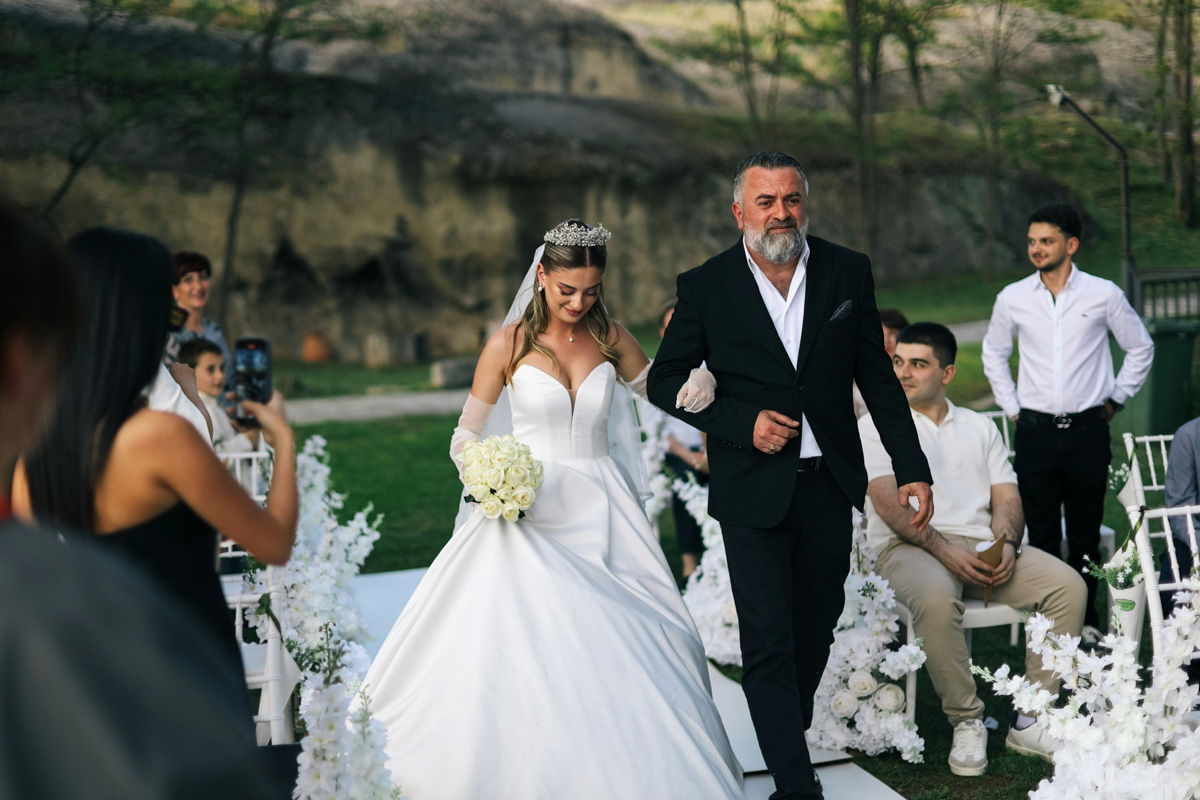
The most structured style. The photographer directs group portraits, family formals, and posed couple shots. The images are clean, clear, and reliable.
Traditional photography suits couples who want every family member photographed and every key moment covered. It is less about artistry and more about completeness. Many couples book this style for family-oriented Thai or Chinese ceremonies.
Not right for you if: you want images that feel cinematic or emotionally led. Traditional coverage prioritises documentation over atmosphere, so the photos will be clear and organised but rarely surprising.
Editorial / Fashion-Influenced
Think of this as the magazine approach. The photographer directs your poses, chooses locations deliberately, and uses light very intentionally. The images look polished and composed.
This style asks more from you during portrait time. You spend 30 to 60 minutes moving between locations and following direction. If you love fashion photography and want images that feel produced, this is your style.
Not right for you if: you are camera-shy or want portraits to feel relaxed. Editorial direction can feel unnatural if you are not comfortable being posed, and the results will show that discomfort.
Fine Art
Fine art photographers think of each frame as a composition. They use natural light, film tones, and heavy emphasis on mood. The images often have a dream-like or painterly quality.
Look at a full gallery from a fine art photographer before deciding. The highlights reel can be misleading. A complete gallery shows you what every hour of the day actually looks like.
Not right for you if: you want vibrant, true-to-life colours or clear coverage of your reception and guests. Fine art photographers often prioritise mood over documentation, and the heavily processed look divides opinion sharply.
Lifestyle / Romantic
A blend of posed and candid. The photographer gives loose direction ("walk toward the light, hold hands, and just talk to each other") and then captures what comes out of that. The images feel natural but also intentional.
This approach works well across many venues and lighting conditions. Bangkok rooftops, Krabi limestone cliffs, or Koh Samui beaches. It also suits couples who are camera-shy.
Not right for you if: you want highly polished, magazine-quality portraits. Lifestyle results are natural and warm but rarely as precisely composed as editorial. The trade-off is ease over perfection.
How to Choose the Right Style for Your Thailand Wedding
- When you scroll through wedding photos online, which images make you stop? Save them. After 20 images, a pattern will appear.
- How comfortable are you being directed? If the idea of a photographer telling you where to stand feels awkward, lean toward documentary or lifestyle.
- How important is your family coverage? If group portraits matter, make sure the photographer is experienced with traditional formals, not just artistic portraits.
- What does your venue look like? A minimalist Bangkok hotel might suit editorial. A lush resort in Krabi suits fine art or lifestyle.
Know your style? Check if your date is available.
Most Photographers Use a Mix
And that is a good thing. Very few photographers are purely one style. The best ones combine documentary coverage for the ceremony and candid moments, with editorial direction for couple portraits. This gives you both: real moments and polished portraits.
When you look at a portfolio, check both parts of the gallery. Do the candid shots feel genuine? Do the posed shots feel natural rather than stiff? Both should look like they belong to the same wedding day.
A Note on Editing Style
Style is not just about posing. It is also about how the photographer edits. Warm, golden tones suit beach and outdoor weddings in Thailand. Cooler, more neutral tones suit modern Bangkok hotel weddings. Black and white is used selectively for emotional moments.
Always ask to see the colour version of images you receive in black and white previews. Some photographers deliver only black and white edits. Most give you both.
Frequently Asked Questions
What is documentary wedding photography?
Documentary wedding photography, sometimes called photojournalistic or candid photography, means the photographer observes and captures the day without directing or posing the couple or guests. The goal is a truthful record of events as they unfold. It is the opposite of traditional posed photography. Most couples who choose this style say the images feel more emotionally authentic than any posed photos they have seen.
What is the difference between fine art and documentary wedding photography?
Documentary photography prioritises truth and timing. The photographer reacts to what is happening. Fine art photography prioritises composition, light, and mood. The photographer creates or waits for a frame that works aesthetically, sometimes at the expense of capturing spontaneous moments. Documentary images tend to feel alive. Fine art images tend to feel considered. Most couples end up wanting elements of both, which is why a blended approach is the most common choice among experienced photographers.
What wedding photography style is most popular in Thailand?
The lifestyle blend is the most requested style for weddings in Thailand, particularly for international couples and destination weddings. It combines loose direction during couple portraits with fully candid coverage during the ceremony and reception. This works well across Thailand's variety of venues and lighting conditions, from Bangkok hotel ballrooms to open-air beach ceremonies in Koh Samui or Krabi.
See the Styles in Practice
The Lukfoto team uses a blend of candid documentary storytelling and artistic composition, creating genuine moments alongside carefully crafted portraits. You can browse full galleries from Bangkok and Thailand weddings at lukfoto.com/wedding to see exactly what this approach looks like across a full 4-hour or 8-hour day.
Once you know your style, the next step is finding a photographer who shoots it well. Get in touch to discuss your wedding and we will help you decide whether the approach is the right fit.
Reach out to discuss which style fits your venue and vision