
Every photographer has an opinion on this, and those opinions don't always agree. Golden hour gets cited constantly as the answer. But the reality is more nuanced - and in a city like Bangkok, it matters more than it would in London or New York because the light here operates under different rules.
Here's what different times of day actually do to portrait photography, and why afternoon and evening sessions in Bangkok consistently produce better results than any other window.
Why midday is the hardest light for portraits
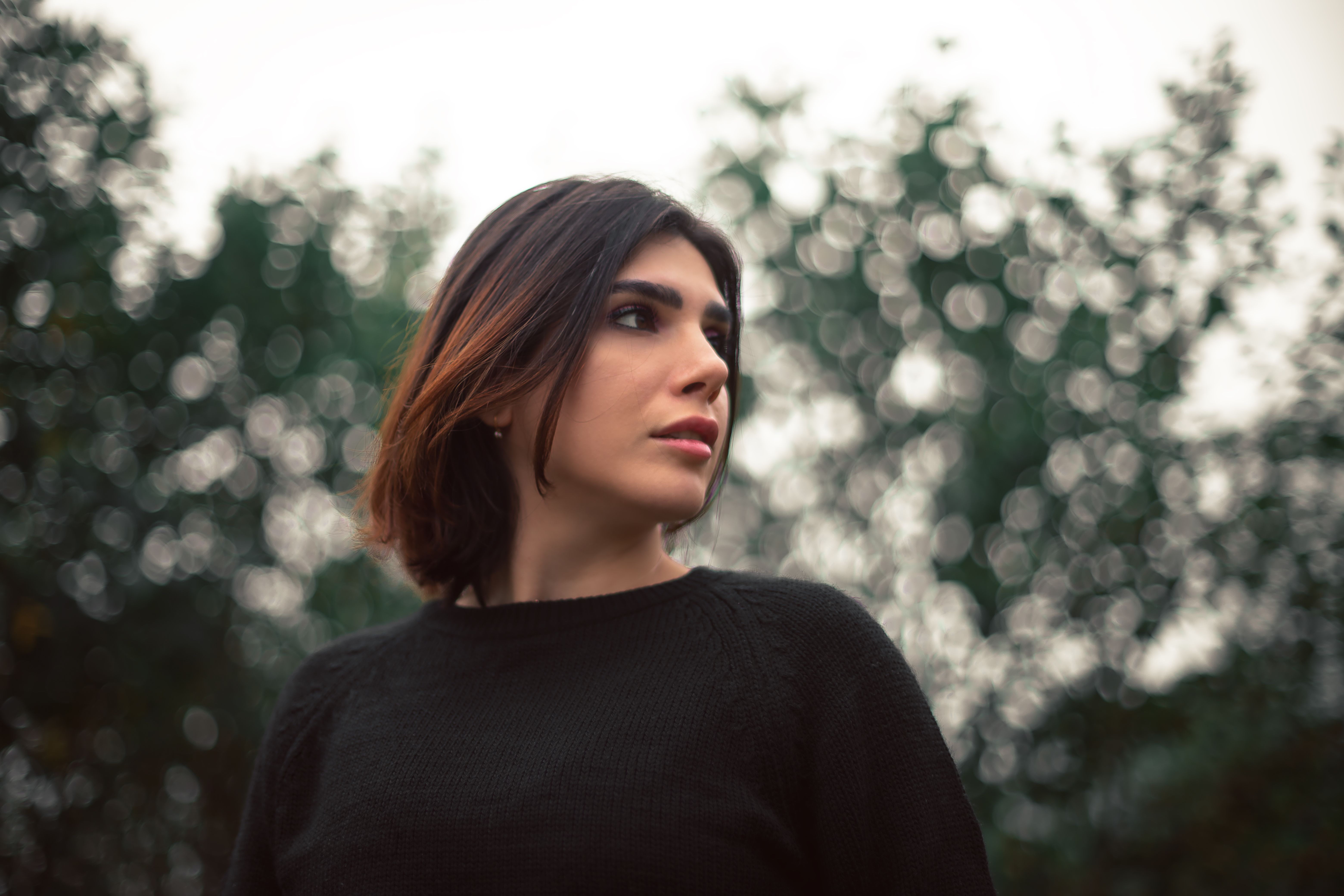
Harsh midday sun - direct overhead light between roughly 10am and 3pm in Thailand - creates shadows under the eyes, nose, and chin that are difficult to correct. On camera, this reads as unflattering regardless of how attractive the person is in front of you. Eyes, which carry the emotional weight of a portrait, disappear into shadow rather than catching light.
It's not impossible to shoot at midday. Open shade - the shadow side of a building, under a canopy of trees, inside a covered walkway - produces usable soft light even when the sun is directly overhead. Bangkok has enough covered street architecture and deep shade from tropical vegetation that midday shooting is workable if you know where to go.
But it requires more from the photographer and produces more inconsistent results than the afternoon and evening windows. It's the hardest light to manage, not a default choice.
Late afternoon: the most reliable portrait window
From approximately 3pm to 5pm in Bangkok (varying by season), the sun has moved far enough from vertical that its light becomes directional rather than overhead. This is when outdoor portrait photography starts to become genuinely reliable.
Directional light creates depth in a face. It picks out cheekbones, adds dimension to the jaw, reveals texture in hair. The shadows it casts are long rather than short, falling behind and to the side rather than directly below. The difference in a portrait is significant - faces that looked flat at noon start to have shape and character.
This is also the window where Bangkok's architecture and environment become more interesting visually. The afternoon light hitting terracotta temple walls, reflecting off the river, or catching the gold on temple spires creates a quality that only exists in that time window. The city itself improves as a portrait backdrop.
Golden hour: when the light is most forgiving
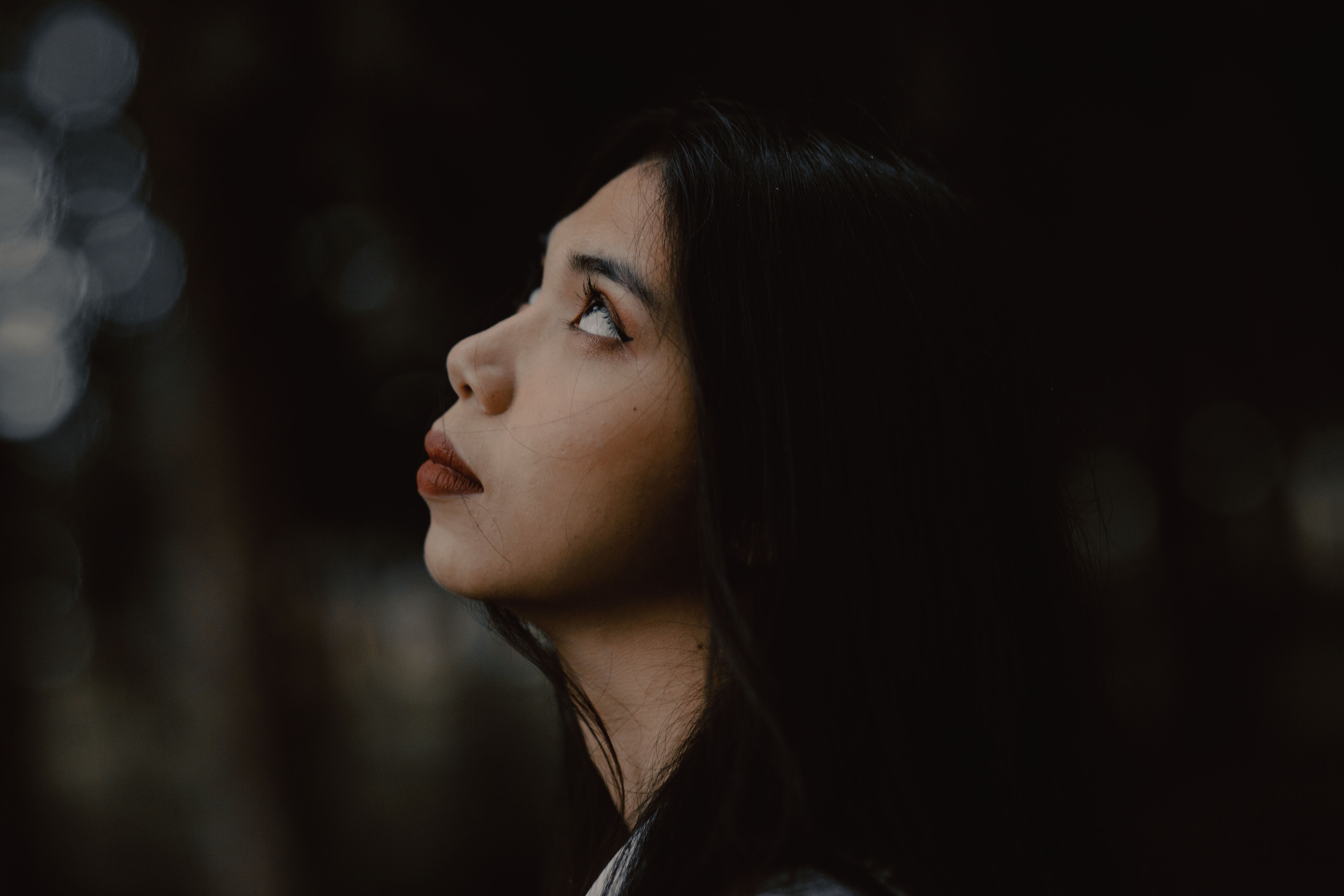
Golden hour - the 45 to 60 minutes before sunset - is the most discussed light window in photography for good reason. The sun is low, the light is warm (shifting toward orange and amber), and the quality becomes genuinely soft even in direct conditions.
In Bangkok, sunset varies between approximately 5:45pm in December and 6:45pm in June. The golden hour window is therefore typically 5pm to 6:45pm depending on the month. This is the window our sessions are built around.
The specific quality of golden hour light: it's warm enough to add a flattering cast to skin tones across the range from very fair to very dark. It's soft enough that shadows are diffused rather than hard. It's directional enough that faces retain dimension. Of all the available light conditions in outdoor portrait photography, this is the most reliably flattering and the hardest to replicate with artificial light.
The limitation of golden hour is how quickly it moves. The best light lasts 20 to 30 minutes. An experienced photographer manages the session to be at the most important location during this window and uses the preceding and following light for secondary shots.
Blue hour and early evening: the underrated option
After sunset, the sky holds a deep blue tone for 20 to 40 minutes before full darkness. This is blue hour - a window that portrait photographers often underuse.
Blue hour is more controllable than golden hour in some respects: the light changes more slowly, and because ambient light is lower, artificial light (flash, LED panels) can be introduced without looking harsh. For urban portrait work - Bangkok's streets, rooftop bars, the neon-lit areas of Chinatown - blue hour to early evening produces some of the most dramatic and cinematic results available.
Sessions that run from late afternoon into blue hour have access to the full range of available outdoor light. Landscape shots benefit from golden hour. Environmental portraits and urban work often look best after sunset. A session timed to span this transition gives the photographer the most tools to work with.
What this means for Bangkok portrait sessions specifically
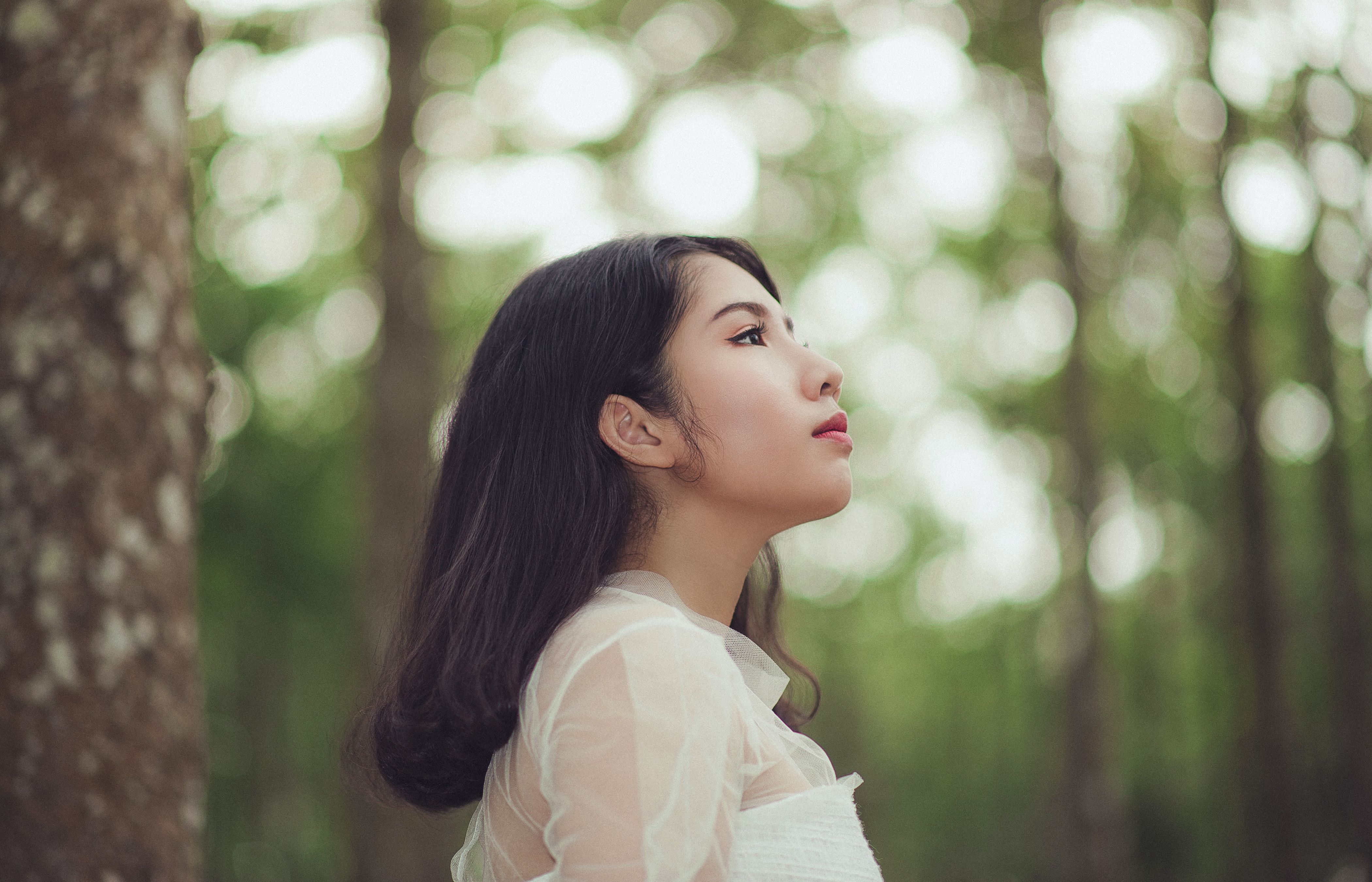
Bangkok's proximity to the equator (13.7 degrees north) means the sun sets relatively fast and the golden hour window is shorter than in northern European countries. It also means that seasons affect timing significantly - December sessions start golden hour around 5pm, while July sessions have until 6:30pm before the sun drops.
Bangkok also has a practical consideration that doesn't apply in cooler climates: the heat. Late afternoon into evening is the most comfortable window for both the subject and the photographer. Sessions at 2pm in April involve managing sweat, discomfort, and clothing that wilts in the humidity - none of which produces good portrait conditions regardless of what the light is doing.
The combination of better light, better temperatures, and better-looking city backdrop means the afternoon-to-evening window is the clear choice for outdoor portrait photography in Bangkok. Sessions starting around 4pm and running to 6:30 or 7pm capture the full range of what the city's light offers.
Does indoor portraiture follow the same rules?
No. Indoor portrait photography is controlled by the quality of the available light sources - windows, artificial lighting, or photographer-supplied equipment. The time of day matters less and the quality of the studio or location matters more.
For indoor portrait work in Bangkok, the relevant factor is the direction and quality of window light for natural-light studios. South-facing windows in Bangkok (facing north of the equator) produce directional light in the late afternoon that works well for portraiture. North-facing windows produce consistent diffused light throughout the day.
A note on overcast days
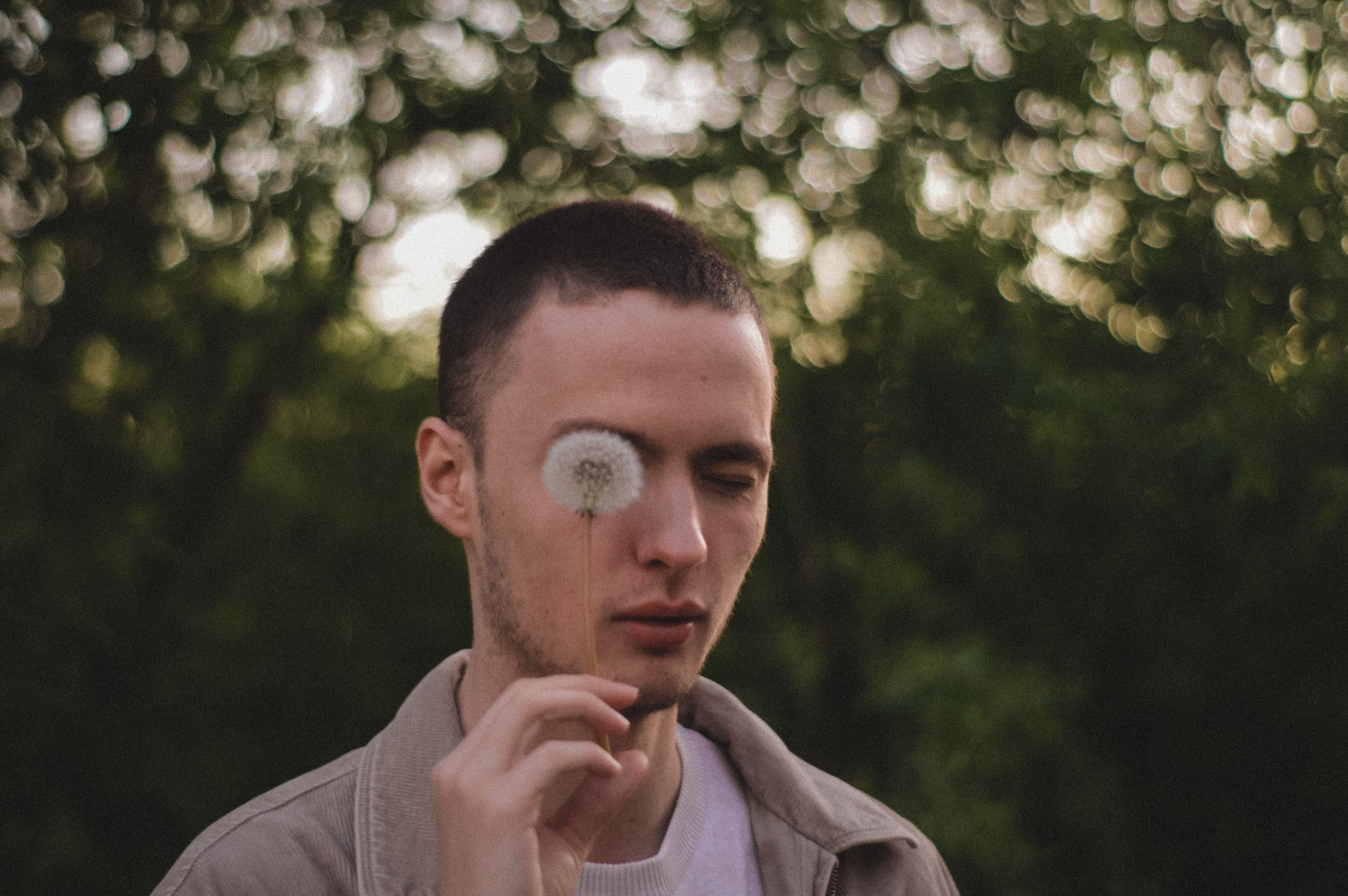
Cloud cover diffuses sunlight across the sky, turning it into a giant softbox that eliminates harsh shadows entirely. Overcast conditions in Bangkok produce flattering, consistent light that works at any time of day. The limitation is a loss of the warmth and drama that direct sun creates - overcast portraits can trend toward flat if the photographer doesn't compensate.
Thailand's rainy season (roughly May to October) brings frequent cloud cover that, paradoxically, often produces better portrait light than the clear skies of the dry season - with the caveat that actual rain can interrupt a session. Mid-afternoon on an overcast day is often as usable as golden hour on a clear day.
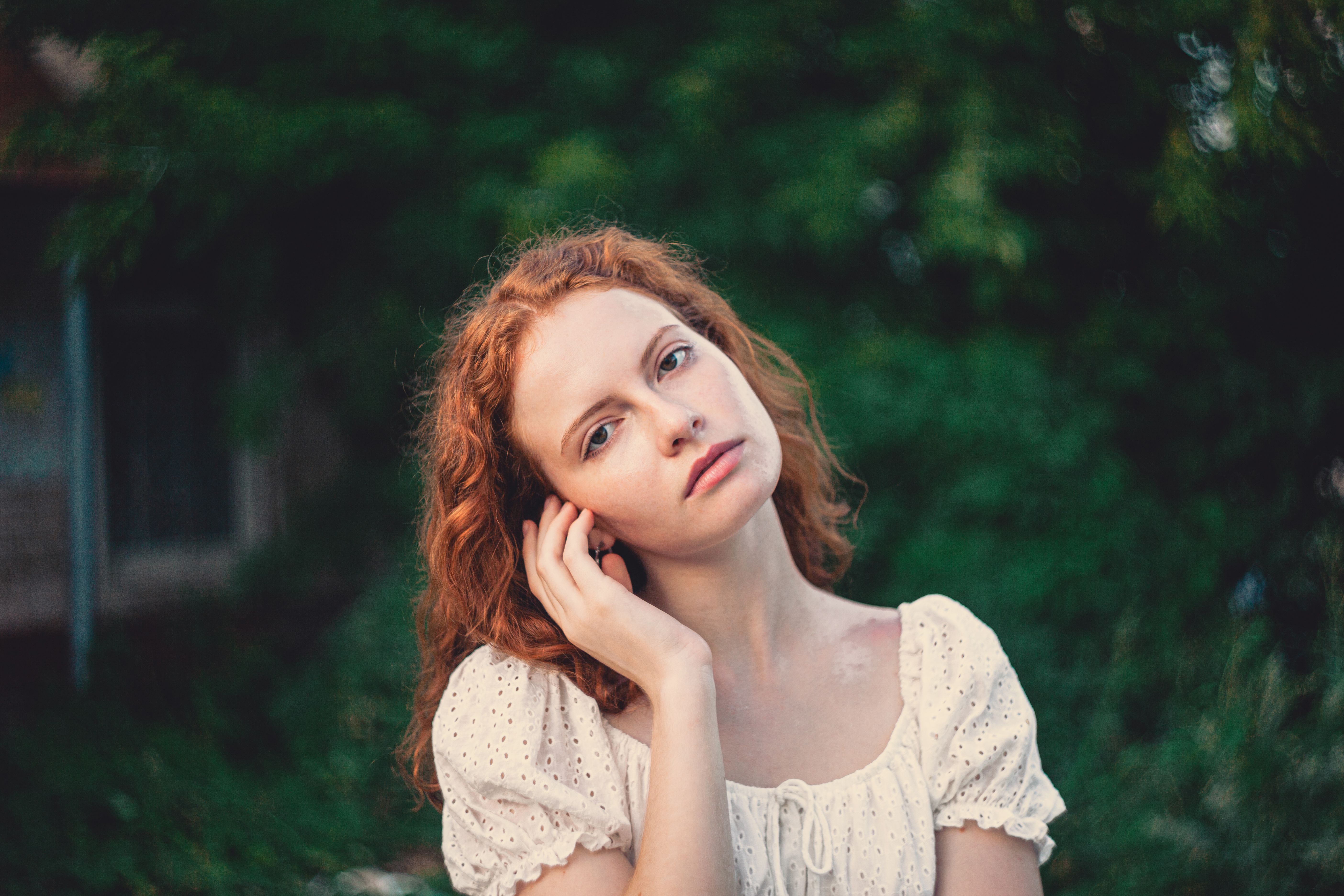
Portrait photography in Bangkok
We schedule portrait sessions in Bangkok for afternoon and evening specifically to work with the best available light. We know how the light moves across our locations at different times of year, which lets us plan sessions that maximise the best conditions rather than hoping for luck.
Portrait sessions move between locations based on light, giving you variety across the session and ensuring the best frames happen when the conditions are right rather than when you happen to be somewhere convenient.
We schedule all outdoor portrait sessions in Bangkok around the light windows covered in this guide. See our gallery and session details to get a feel for the work, then get in touch.
Portrait Photoshoot