Cinematic photography is one of the most searched and least clearly defined photography styles. People ask for it, book it, and sometimes arrive at the session without a clear shared understanding of what "cinematic" actually means to the person behind the camera.
This is a walkthrough of what a cinematic photoshoot actually involves - before, during, and after - specifically in the context of Bangkok, where the visual environment makes this style of work particularly well-suited.
What "cinematic" actually means
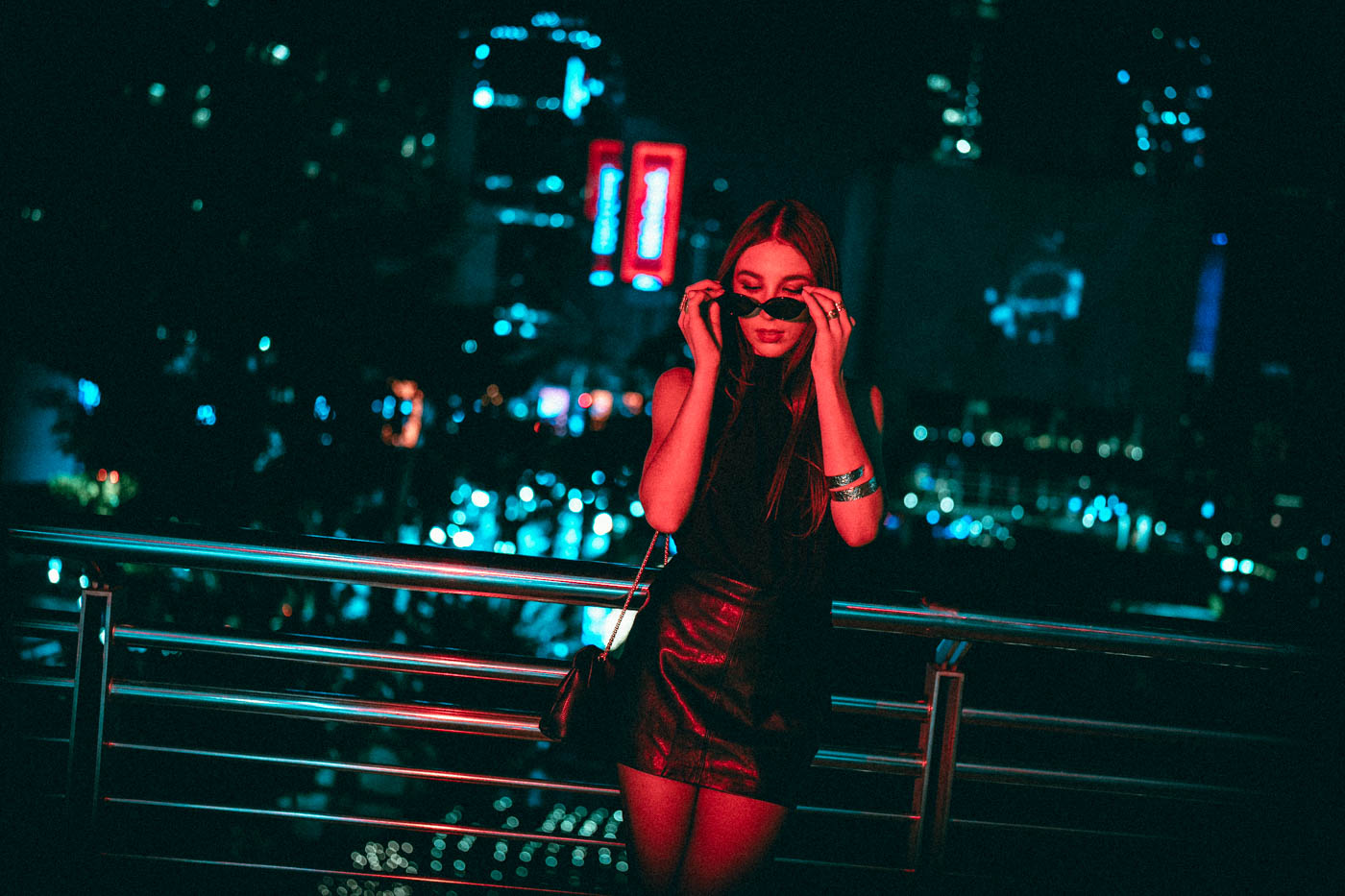
Cinematic photography borrows its visual language from film. The defining characteristics are mood over documentation, careful control of light, a specific approach to color grading, and images that feel like frames from a story rather than records of a moment.
In practical terms, cinematic portraits tend to use a wider aspect ratio reference than standard photography. Colors are graded toward specific tonal palettes - often teal shadows with warm midtones, or high contrast with desaturated highlights. There's frequently a grain texture added in post-processing that references film rather than digital capture. Backgrounds are selected for visual depth and atmosphere rather than mere contrast with the subject.
Cinematic can span a significant range: the flat, minimal palette that's prevalent on social media now; the high contrast Fincher-influenced aesthetic; a warm, slightly hazy film-like quality; or the specific blue-green color grade associated with contemporary cinema color science. Before booking, it's worth looking at a photographer's portfolio specifically and confirming that what they mean by "cinematic" matches what you mean.
Before the session: location and mood planning
Cinematic photography is more pre-planned than lifestyle or documentary work. The location needs to support the mood - a cinematic session doesn't just land anywhere and work. In Bangkok, certain environments are particularly well-suited:
- Mahanakhon and the surrounding BTS area at dusk: The glass and steel architecture, the station lighting, and the scale of the skyscraper produce an urban cinematic quality that works with LED accent lighting and a specific deep color grade.
- Chinatown at night: The neon signage in Thai, Chinese, and English, the red lanterns, the texture of old shophouse facades. This environment is cinematic without any additional manipulation - the photographer's job is to frame it correctly rather than manufacture atmosphere that isn't there.
- Riverside at golden hour: The Chao Phraya at sunset, with Wat Arun silhouetted on the far bank and the warm amber light on the water, is one of the more visually film-like environments in Southeast Asia. It doesn't require heavy post-processing to look cinematic - the light does the work.
- The Old Town area at dusk: The transition between Banglamphu, Wat Pho, and the river at the hour after sunset provides deep blue sky against lit temple structures and street lamps - a combination that renders well in the cinematic color palette.
During the session: how it actually works
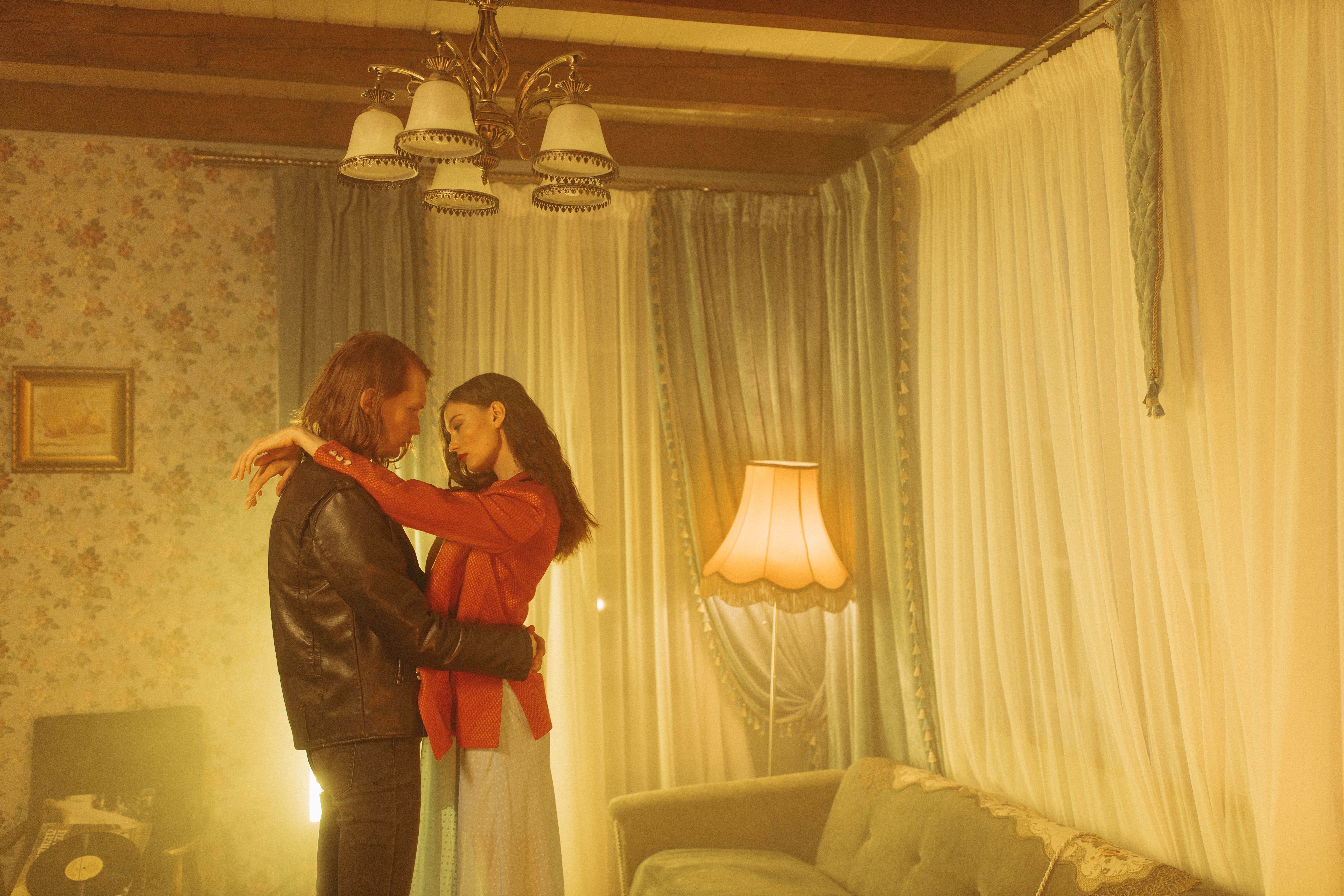
A cinematic photoshoot operates differently from a standard portrait session. The pacing is more deliberate. More time is spent on each setup - the specific light quality, the relationship between subject and background, the moment within the scene that the photographer is waiting for.
Direction in a cinematic session is also different. Rather than "smile, look here, turn left," the direction tends to be more environmental and emotional: "walk slowly through that light," "look at the city, not the camera," "stand still and let the scene settle around you." The goal is images that feel inhabited rather than posed.
Equipment plays a larger role in cinematic work than in some other portrait styles. Off-camera flash and LED panels are often used to create controlled light in environments where natural light is absent or insufficient - particularly in night-focused sessions. The quality and placement of that artificial light determines if the image looks like a thoughtful portrait or a poorly-lit snapshot.
Cinematic sessions run from late afternoon into evening or night in Bangkok. The transition from golden hour through blue hour into full darkness gives the photographer access to multiple distinct lighting environments within a single session, each of which produces a different visual character.
What to wear for a cinematic photoshoot
Outfit choice has a more significant impact on cinematic photography than on some other styles, because the color relationship between the subject and the environment is deliberately managed throughout the edit.
- Solid colors over patterns - patterns compete with complex cinematic backgrounds rather than complementing them
- Colors that work within the tonal range of the intended color grade - jewel tones (burgundy, navy, forest green) work well in high-contrast cinematic edits; earth tones work well in warm-film aesthetics
- For night sessions, slightly dressed-up is better than casual - the deliberate quality of cinematic photography rewards outfits that have been considered rather than grabbed
- Avoid bright white as the primary color in high-contrast cinematic work - it can blow out highlights in the edit and becomes difficult to manage
After the session: the edit is where "cinematic" happens
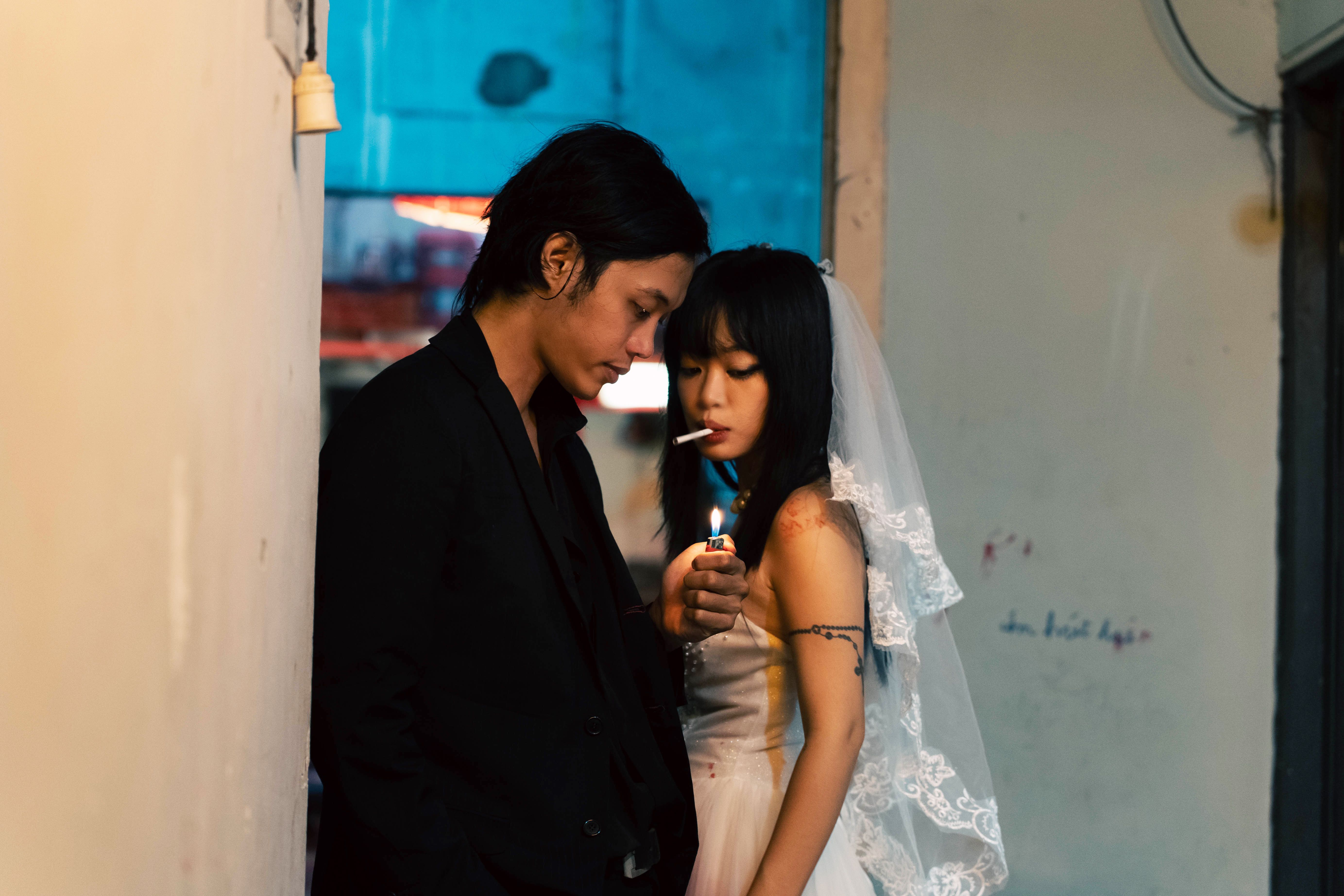
The cinematic look lives substantially in post-processing. The same raw image can be processed into a natural portrait or a cinematic one depending on the editing choices made. This is why the photographer's portfolio tells you more about what you'll receive than any description of technique.
Cinematic editing involves several layers: color grading (the overall tonal palette), contrast adjustments (typically higher than standard portraits), grain addition (to reference film texture), and sometimes local adjustments to specific areas of the image to balance light that wasn't fully controlled during capture.
Turnaround on cinematic work is often slightly longer than standard portrait sessions because the editing is more involved. A reasonable expectation for a well-edited cinematic portfolio from a Bangkok session is two to four weeks for a curated set of 30 to 50 images.
What a cinematic photoshoot is not
- Video or film: These are still photographs, not video. Cinematic refers to the visual aesthetic derived from film, not the format.
- Heavily filtered phone photography: The cinematic look produced by Lightroom presets applied to phone snapshots is not the same as a properly executed cinematic portrait session. Light control, location selection, and the quality of the original image all matter enormously.
- Night photography exclusively: Cinematic work happens across the day. Golden-hour sessions produce cinematic results. The style is defined by mood and approach, not time of day.
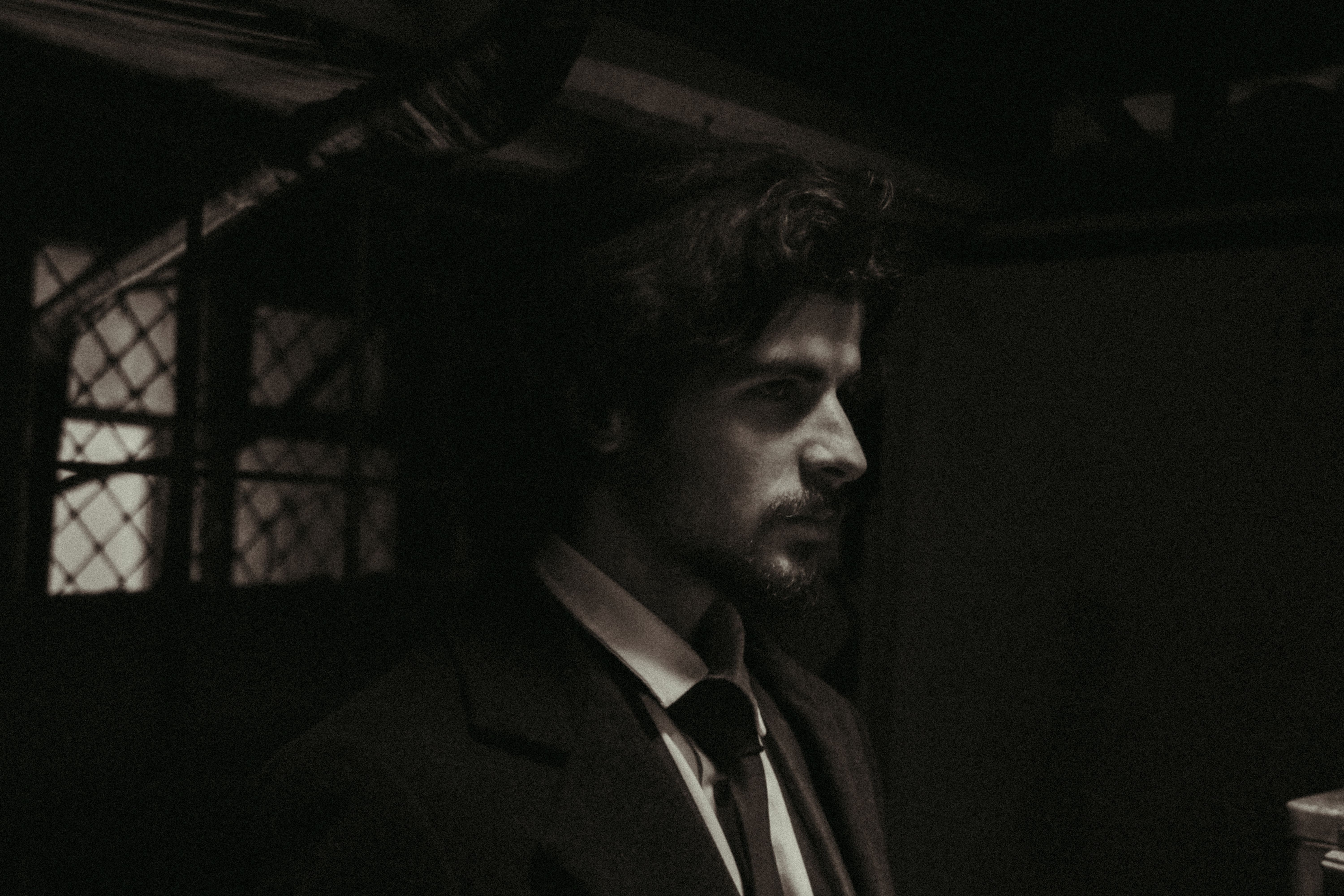
Cinematic photography in Bangkok
Our cinematic photography in Bangkok runs from late afternoon through evening, taking advantage of the city's transition from golden hour to blue hour to night. We use a combination of Bangkok's exceptional natural environments - the riverside, the temple areas, the urban streets - and specific artificial light where the situation calls for it.
The result is images that feel deliberate, moody, and specific to Bangkok - not a generic cinematic style applied anywhere, but a style that grows from the specific visual character of this city.
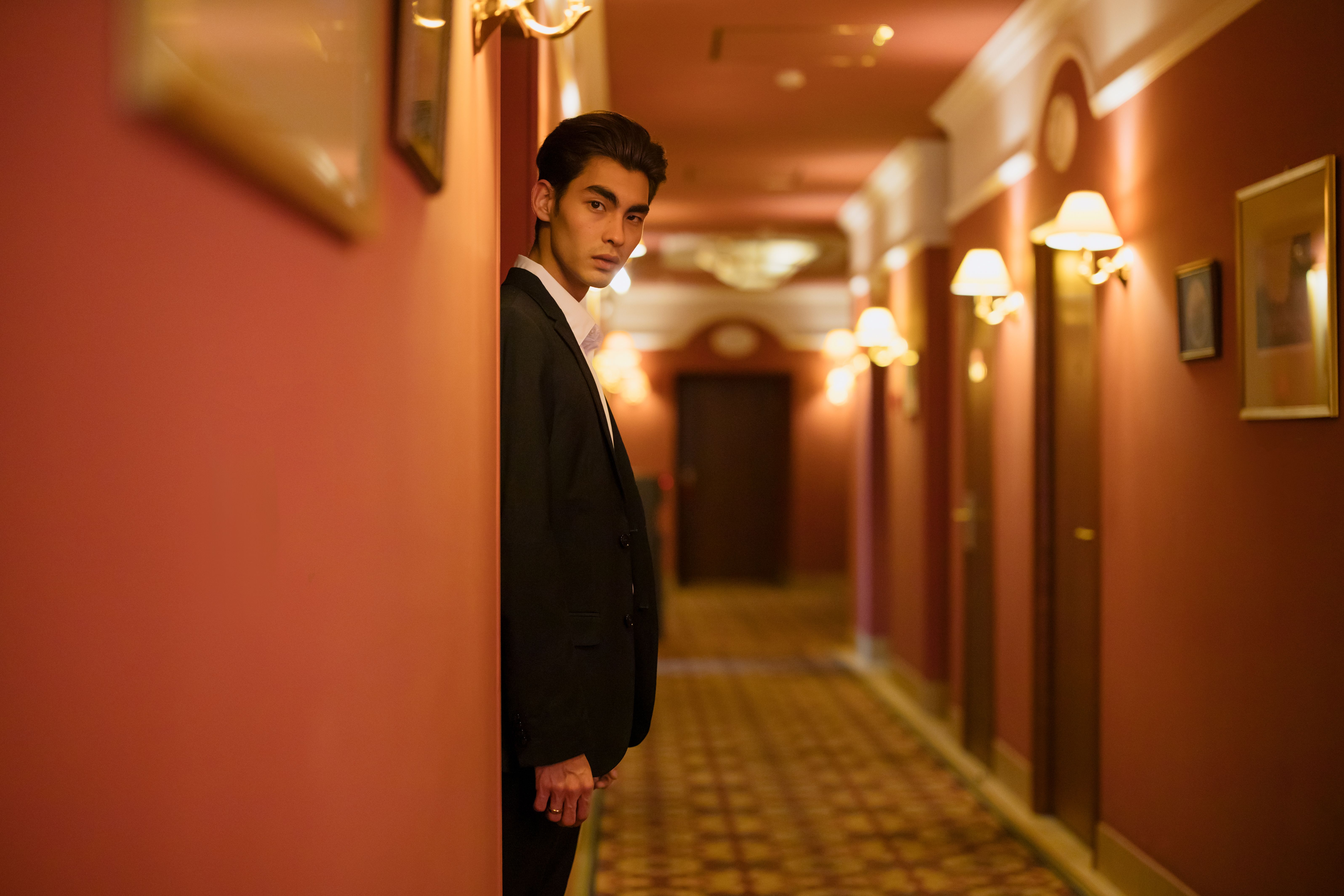
We run cinematic photography sessions in Bangkok from late afternoon through evening, using the city's light and locations to build the mood rather than manufacture it. See our gallery and session details, then get in touch with what you have in mind.
Cinematic Photoshoot