
Product photography is the studio discipline where the equipment and space specification matters most. A studio that works well for portraits will often produce frustrating results for product work, and vice versa. This guide covers what your product shoot actually requires from a Bangkok studio, how to estimate realistic session outputs, and which venues suit which type of product photography.
What Product Photography Requires from a Studio
Background: cyclorama vs white seamless paper
For product photography requiring a completely clean white or black background with no visible floor-to-wall join, you need either a cyclorama wall or a roll of background paper. These are not the same thing and the difference matters depending on how much floor space your product occupies.
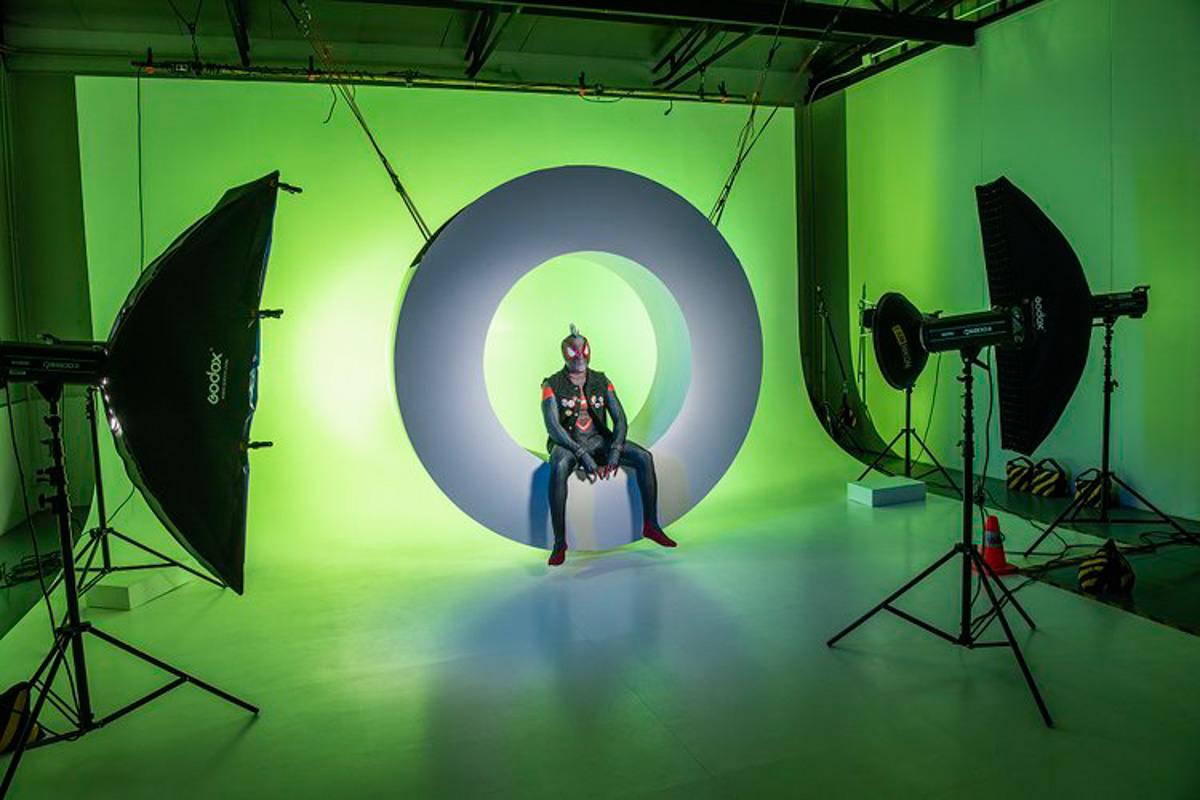
A cyclorama (cyc wall) is a permanently curved wall that creates a seamless transition between floor and vertical surface. It can accommodate a car, a piece of furniture, or a large group of people without any visible seam. It is the right choice for products that need to be shot at a low angle or across a wide floor plane. The only Bangkok studio in our network with a cyclorama is Cinnamon Studio B at ฿3,000 per hour.
Background paper on a roll produces a clean seamless background for smaller products and is available in most studios at any price point. It works well for anything that fits on a table top or a small platform. It does not work for anything requiring significant floor space because the paper tears and marks quickly under foot traffic and product movement.
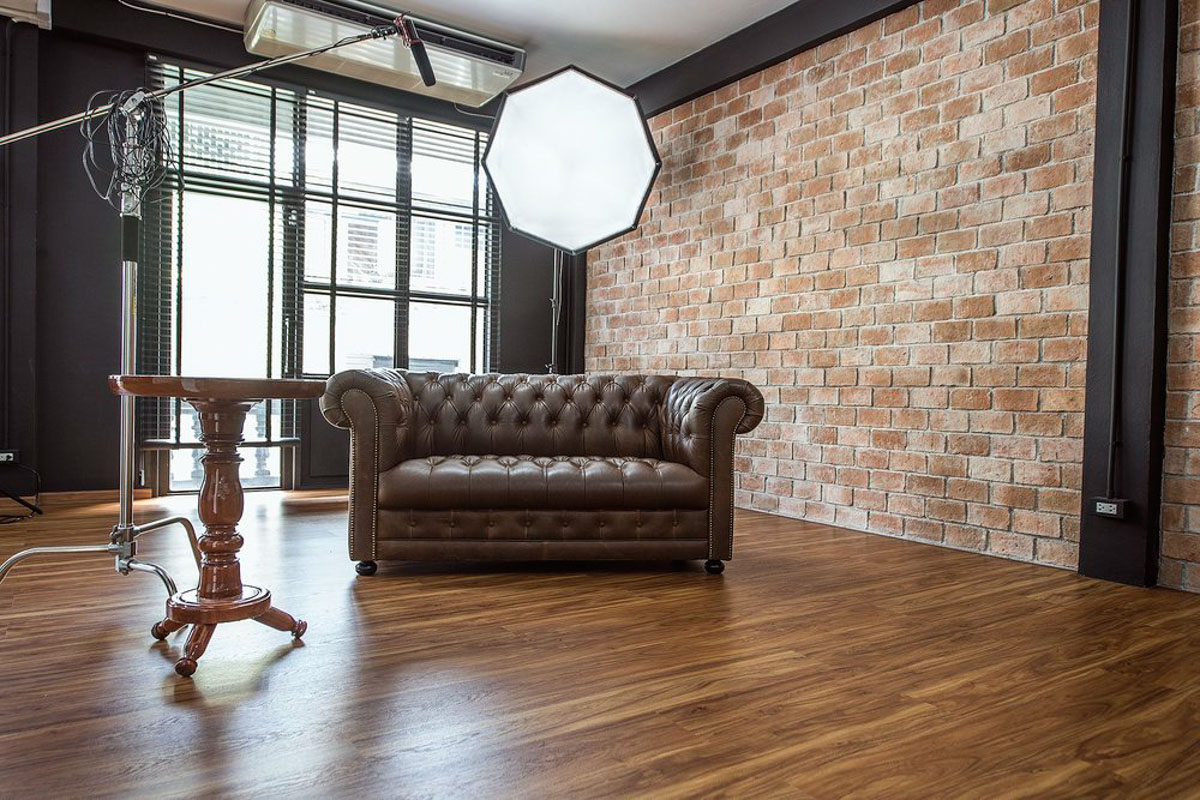
For products that are meant to appear in a lifestyle context rather than against a plain background, furnished studios work well. A piece of furniture, a skincare product, a bag, or a food item photographed in an appropriate styled room produces images that perform well on social media and in editorial contexts where a floating-product-on-white look feels clinical.
Lighting: what product work requires that portrait work does not
Portrait lighting prioritises flattering the subject. Product lighting prioritises revealing the object. These are different goals and they produce different lighting decisions.
The most common lighting problems in product photography are reflections on shiny surfaces, blown highlights on white products against white backgrounds, uneven light on textured surfaces, and colour shifts caused by mixed light sources. Each requires a specific technical solution.
Reflections on shiny surfaces (jewelry, glassware, polished metal, lacquered packaging) are controlled by diffusing the light source as broadly as possible and by carefully positioning the camera and product relative to that source. A small, hard light source is almost always wrong for shiny products. A large softbox or a lightbox tent produces better results. Not all Bangkok studios have suitable modifiers for this kind of work. Confirm before booking.
Blown highlights on white products against white backgrounds require controlled underexposure of the background relative to the product. This is only possible with strobes, not continuous lights, and requires enough power to light the product and the background independently. Mid-tier studio equipment handles this adequately. Professional-grade setups handle it precisely.
Textured surfaces, fabric, leather, and natural materials require directional light to reveal the texture. Flat frontal light flattens texture and makes fabric look cheaper than it is. A small degree of sidelighting at an angle to the surface reveals the texture and adds perceived quality to the product. This is a lighting placement decision, not an equipment quality decision. Any studio with adjustable strobe positions can achieve it.
Space: how much do you actually need
Small products (jewelry, cosmetics, accessories, packaged goods) can be photographed effectively in any studio with a clean background. You need a table, some diffused light sources, and a background. Floor space is almost irrelevant.
Medium products (clothing on a model, small furniture, appliances) need a room with enough floor space to position the product, the light sources, and the camera at an appropriate distance. 30 to 50 m² is sufficient for most work in this category. The majority of Bangkok studios in our network work.
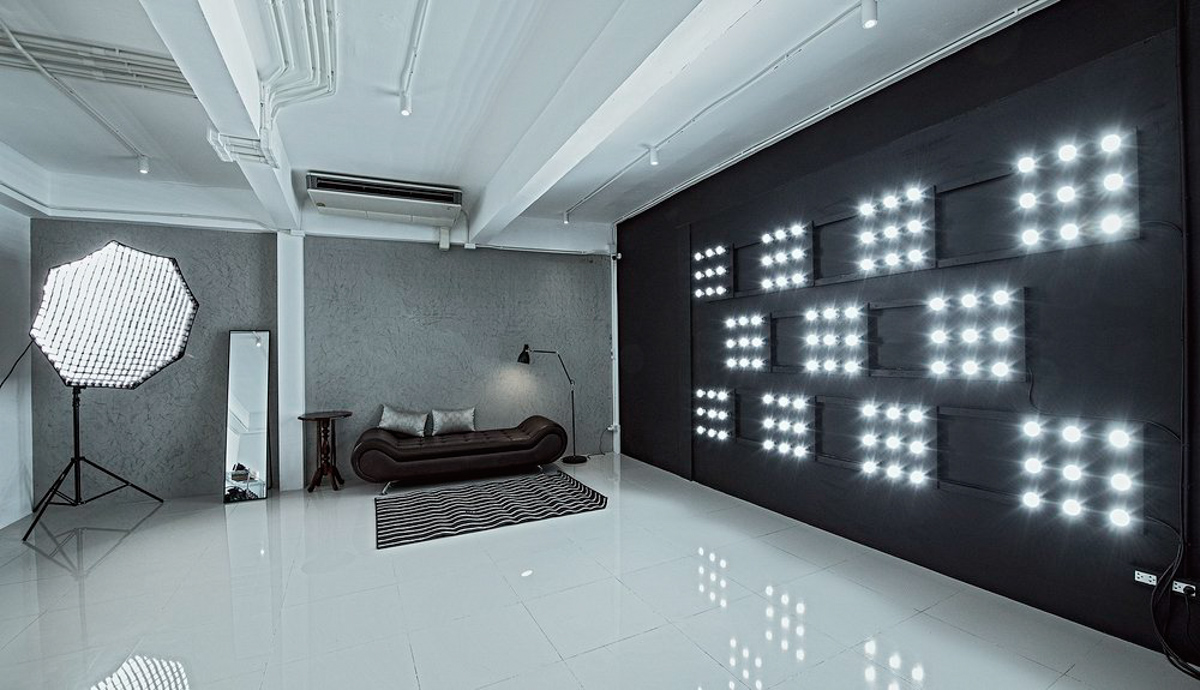
Large products (furniture, vehicles, large installations) or high-volume catalogue shoots where multiple configurations need to be set up and struck in sequence require Cinnamon Studio A (96 m²) or Studio B (120 m²). The larger floor area is not just about fitting the product. It is about fitting the product, the lighting setup, the background, the photographer, and any assistants or models without any of them being in each other's way.
Realistic SKU Counts Per Session
One of the most consistent problems in product photography booking is unrealistic expectations about how many products can be shot in a given time. These are realistic benchmarks based on our direct experience:
| Product type | Setup complexity | Realistic SKUs per hour | Notes |
|---|---|---|---|
| Packaged goods, cosmetics, simple objects | Low | 8 to 15 | Higher end if all products are similar sizes |
| Jewelry | High | 3 to 6 | Lower end for complex or highly reflective pieces |
| Clothing (flat lay) | Medium | 6 to 10 | Depends on whether garments need steaming on the day |
| Clothing on model | Medium to high | 3 to 5 looks per hour | Includes time for outfit changes and styling adjustments |
| Food and beverage | High | 4 to 8 hero shots | Requires a food stylist; number depends on complexity |
| Furniture / large objects | Very high | 1 to 3 | Allow a full day for comprehensive coverage |
These figures assume the photographer is experienced with product work, all products arrive on set properly prepared, and background changes or major lighting reconfigurations are planned in advance rather than decided on the day. Unplanned changes on set reduce throughput significantly.
Which Bangkok Studios Suit Product Photography
Ketchup Studio (On Nut): best for small product catalogues and e-commerce
50 m², white backdrop, mid-tier professional lighting. Well suited to packaged goods, cosmetics, accessories, and small product ranges. At ฿1,000 per hour, it is the most cost-effective option for straightforward e-commerce work where a clean consistent background is the only requirement. Not suitable for furniture or products requiring significant floor space.
Cinnamon Studio A (near Asiatique): best for larger catalogue shoots and lifestyle product work
96 m² with multiple background configurations including brick, white, black, and wood walls. Suits product ranges that benefit from variety across backgrounds, or clothing shoots requiring both clean product shots and lifestyle images. Professional lighting grid included. From ฿7,000 for a half-day.
Cinnamon Studio B (near Asiatique): best for large products, video, and commercial campaigns
120 m² cyclorama studio. The right choice when product scale requires a seamless floor plane, when the project includes video alongside photography, or when the production is large enough to justify broadcast-grade results. From ฿9,000 for a half-day.
MostlySunny Studio (near ICONSIAM): best for lifestyle product photography
Not a product photography studio in the conventional sense, but the furnished rooms work exceptionally well for lifestyle product images. Skincare in a bathroom context, home goods in a living room setting, food products in a styled kitchen environment. The natural light quality produces results that look editorial rather than catalogue. From ฿850 per hour.
For full pricing and room details, see our Bangkok photo studio rental guide.
Adding Models to Product Shoots
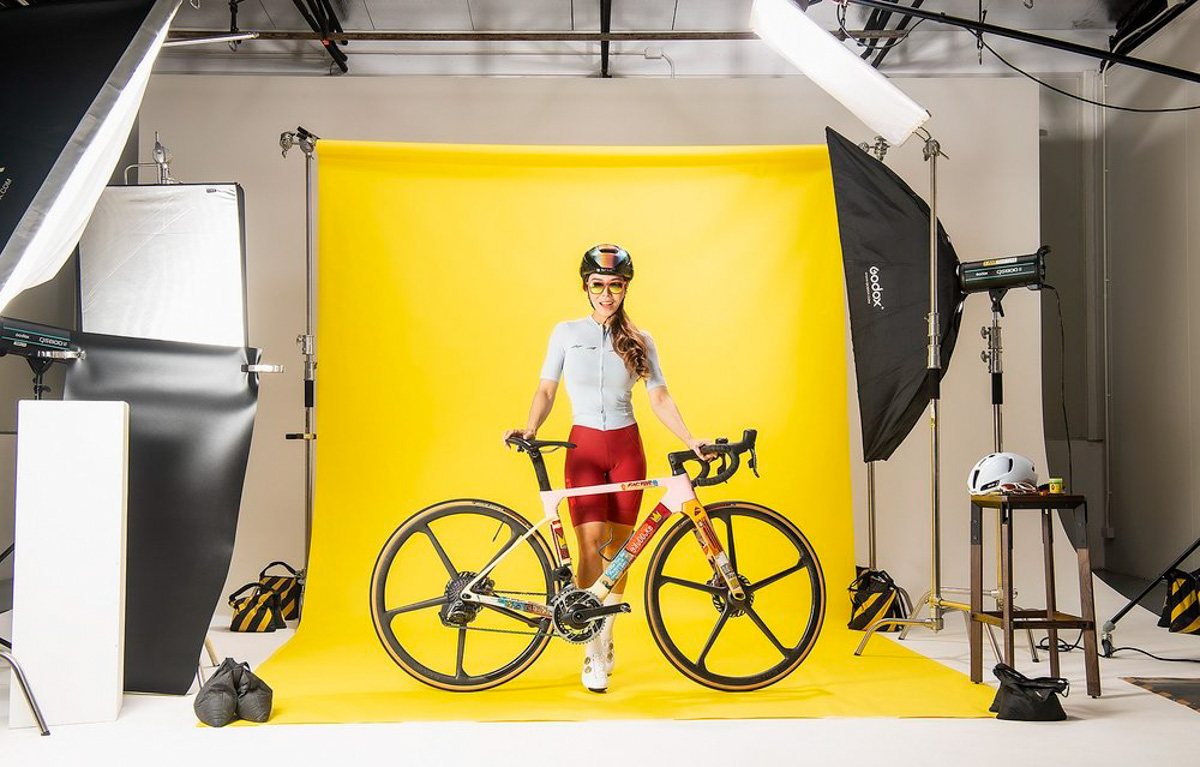
When products need to be shown in use or on a person, model hire is arranged separately from the studio and photography booking. We arrange model casting after your deposit is confirmed. Models apply and you select who fits the product and brand aesthetic.
Starting from ฿3,000 for a half-day. Confirm measurements and look requirements during the casting process rather than on shoot day. Models who arrive without confirmed brief for their look add uncertainty and time to the session.
For clothing shoots requiring hair and makeup, our in-house MUA team works alongside the photographer and understands how to prepare a model for camera work under studio lighting. Starting from ฿3,000.
How to Book
When you book product photography through us, we coordinate the studio, any model casting, and add-on services through a single booking. You receive one invoice and one point of contact rather than managing multiple vendors.
For straightforward e-commerce catalogue shoots, our Sabai Session (1 hour, ฿11,000) or Sanook Photoshoot (2 hours, ฿19,000) are the appropriate starting points. For larger commercial productions, the Sawasdee Deluxe (4 hours, ฿34,000) allows enough time for proper coverage.
Book Your Product Photography Session
See product photography examples, browse the full studio guide with pricing, view our studio photography services, or book your session. Discuss your project first if you prefer.
Book Your Session