
People booking portrait sessions in Bangkok often ask about cameras, lenses, and resolution. Those things have a role - a lens with a wide aperture creates the soft background separation that most people associate with professional portraiture, and camera bodies with strong low-light performance matter for evening sessions. But gear is a floor, not a ceiling. Once the technical standard is met, what separates a portrait that connects from one that doesn't comes down to factors that have nothing to do with the equipment.
After running portrait sessions across Bangkok for years, here's an honest breakdown of what actually makes portrait photography work.
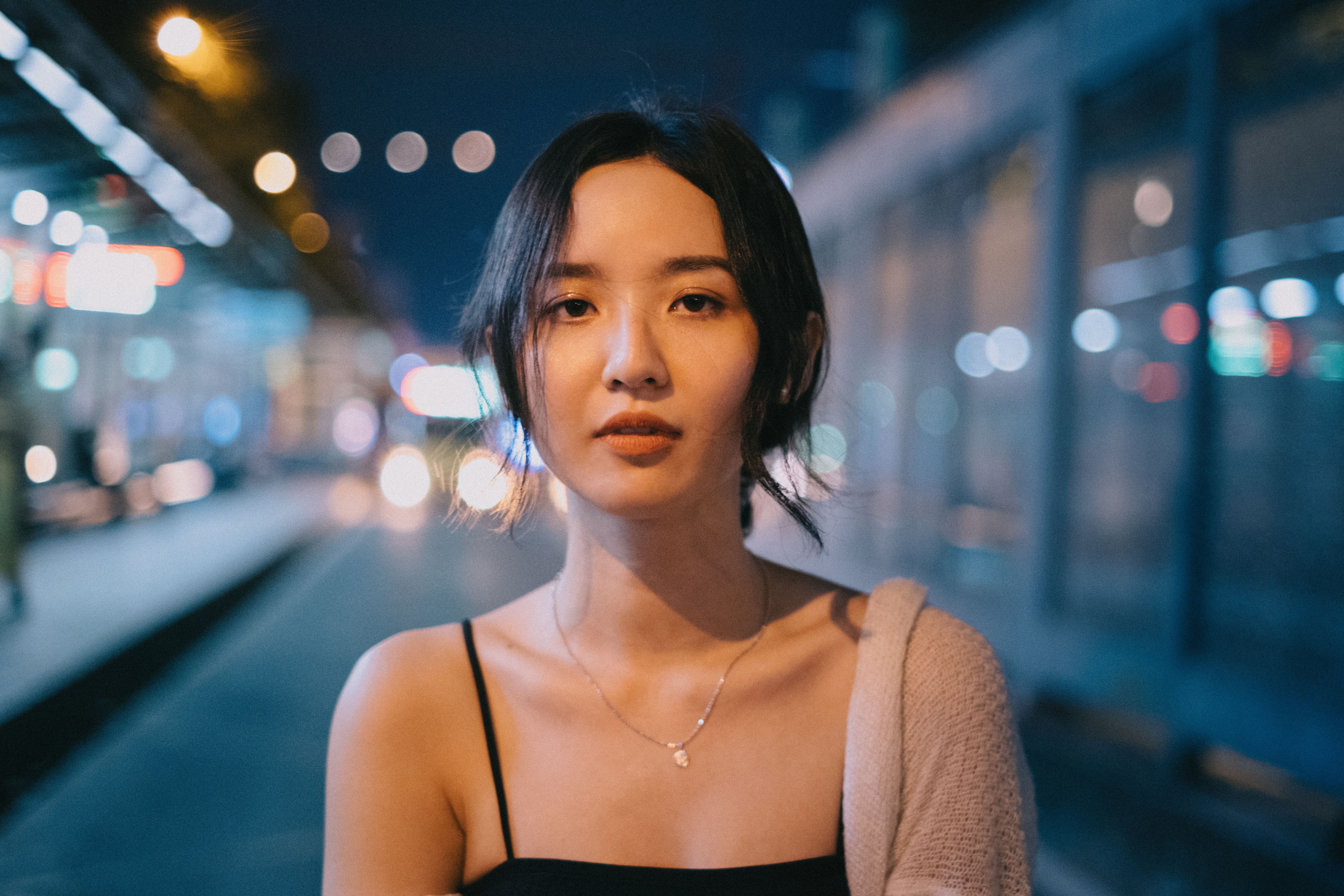
Gear: the floor, not the ceiling
A portrait shot on a full-frame camera with an 85mm f/1.4 lens will have more background separation and better low-light capability than one shot on a phone. That difference is real and visible. But two photographers shooting on identical equipment in the same location will produce very different portraits - because the technical result is determined more by light placement, subject direction, and the relationship in the room than by what's in the bag.
The gear question is worth asking once when choosing a photographer: do they have professional equipment suited to your session type? After that, it stops being the relevant variable. Everything else listed below matters more.
The subject's comfort is the primary variable
A person who is comfortable in front of a camera produces better portraits than a technically superior session with someone who is tense. This isn't a soft observation - it's the central practical reality of portrait photography.
Tension shows in specific, identifiable ways: a jaw that's slightly clenched, eyes that are fractionally too wide, a smile that's working rather than happening. These read as "someone having their photo taken" rather than "someone being themselves." The camera is extremely good at detecting the difference.
This is why the first 15 to 20 minutes of any portrait session are essentially a warmup, not a shooting window. A good photographer uses that time to build enough rapport that you stop thinking about the camera. The best portraits from a session rarely come from the first 15 minutes. They come from the middle or near the end, when you've stopped performing and started just being there.
Practically, this means choosing a photographer who you can have a conversation with before the session - someone whose communication style makes you feel heard rather than processed.
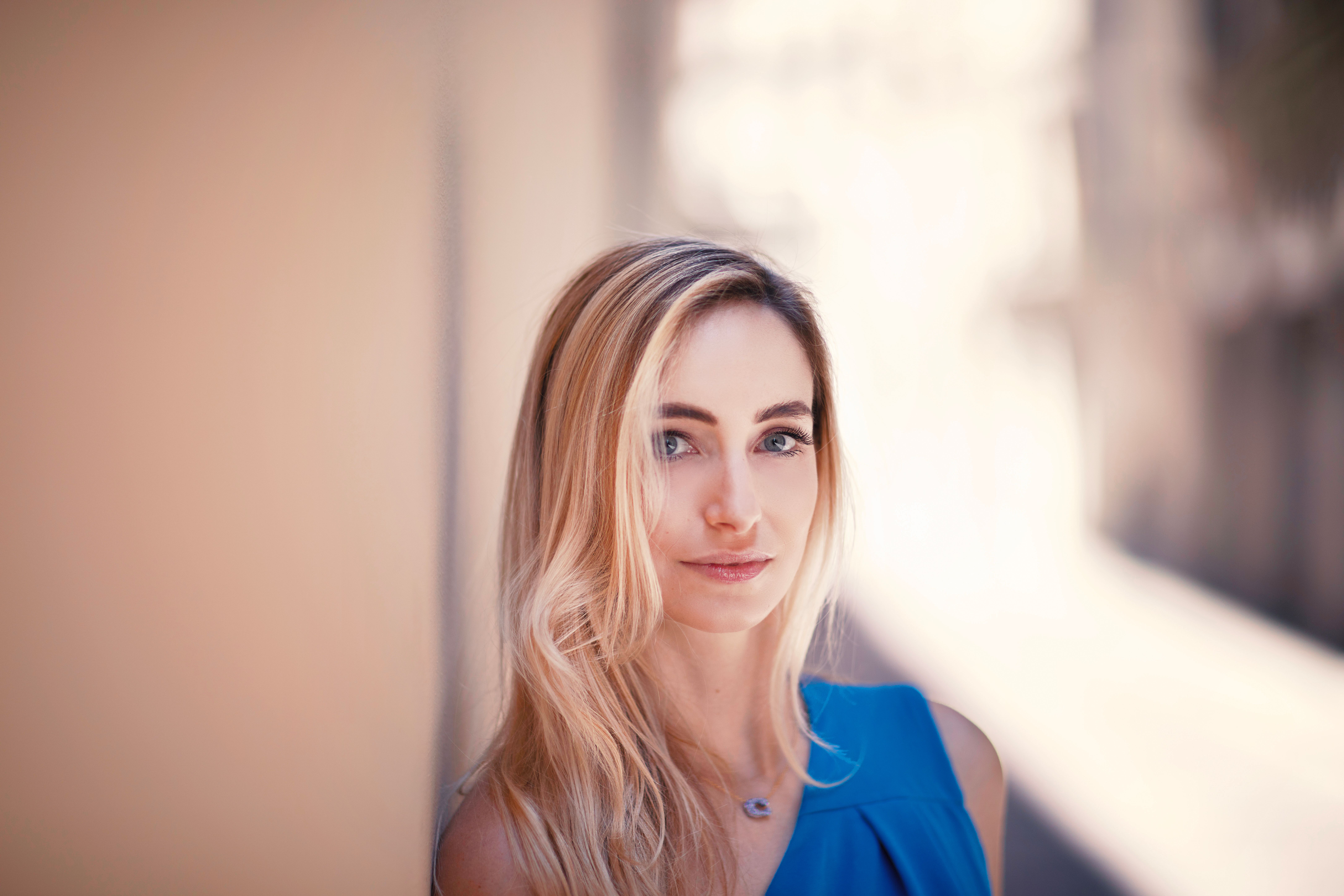
Light: the second most important factor
Portrait photography is, at its technical core, the art of placing a person in the right relationship with light. Everything else in the technical process - camera settings, lens choice, aperture - serves this one goal.
In outdoor portrait work in Bangkok, light quality shifts dramatically across the day. The harshest light conditions (overhead midday sun) produce the least flattering portraits. Afternoon and golden hour light - from about 3pm to sunset - produces soft, directional light that adds dimension to faces and creates the warm quality that photographs tend to associate with a well-done portrait.
This is why we run all outdoor portrait sessions in Bangkok from late afternoon onward. It's not an aesthetic preference. It's a quality decision. The same person photographed in the same location at 1pm and at 5:30pm will produce dramatically different results.
Connection to the environment: what makes a portrait specific
A portrait that could have been taken anywhere is a photograph of a person. A portrait that could only have been taken in that specific place, at that specific moment, is something more than that - it has context and weight that a generic studio backdrop never provides.
Bangkok is exceptionally rich for this reason. The specific quality of late afternoon light on the temple walls near Wat Pho, the texture and atmosphere of the Talat Noi streets, the scale of The Ancient City outside the city - these environments contribute to a portrait in a way that a white studio background doesn't. The location is part of the image, not just behind it.
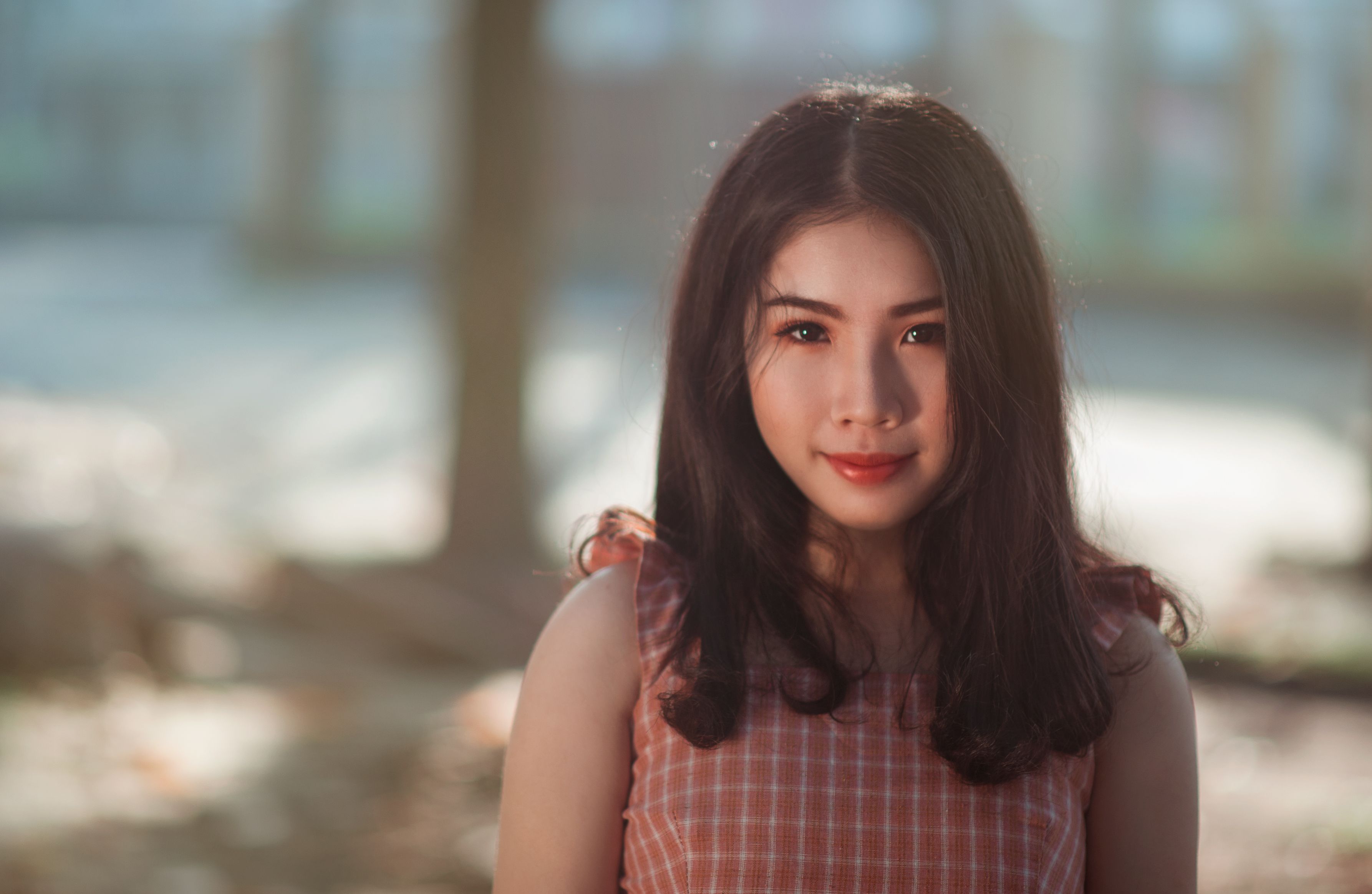
The eyes: where portraits are won or lost
In portrait photography, the eyes carry almost all of the emotional content of the image. Eyes that are in focus, catching light, and alive with expression produce portraits that feel compelling. Eyes that are slightly out of focus, in shadow, or flat with tension produce portraits that feel somehow wrong even when the viewer can't articulate why.
The technical implication: focus should land on the eyes, not the nose or the ear. The lighting implication: light should reach the eyes, either from a natural source or bounced in with a reflector or fill light. The interpersonal implication: something needs to happen between the photographer and the subject that puts genuine expression in those eyes - conversation, movement, a specific direction, or a moment of genuine humor.
Photographs of people with dead, flat eyes are everywhere. They're the product of a technically adequate but humanly empty session. The best portrait sessions are conversations that happen to have a camera in them.
Posing: direction versus prescription
Posing in portrait photography is often misunderstood as a set of positions to be applied to anyone. In practice, posing that works is more like direction - adjusting position incrementally until something looks and feels right for that specific person in that specific environment.
A few things that generally work across most portrait subjects:
- Turning the body 30-45 degrees from the camera rather than facing it directly - creates a more natural frame and slims the silhouette
- Placing weight on the back foot - creates a relaxed posture rather than a rigid stance
- Keeping hands doing something rather than hanging loose - even gently clasped hands photograph better than limp ones
- Slightly dropping the chin toward the camera - most people's natural instinct is to lift the chin, which shortens the neck and changes the angle unfavorably
- Leaning slightly toward the camera - creates engagement rather than distance
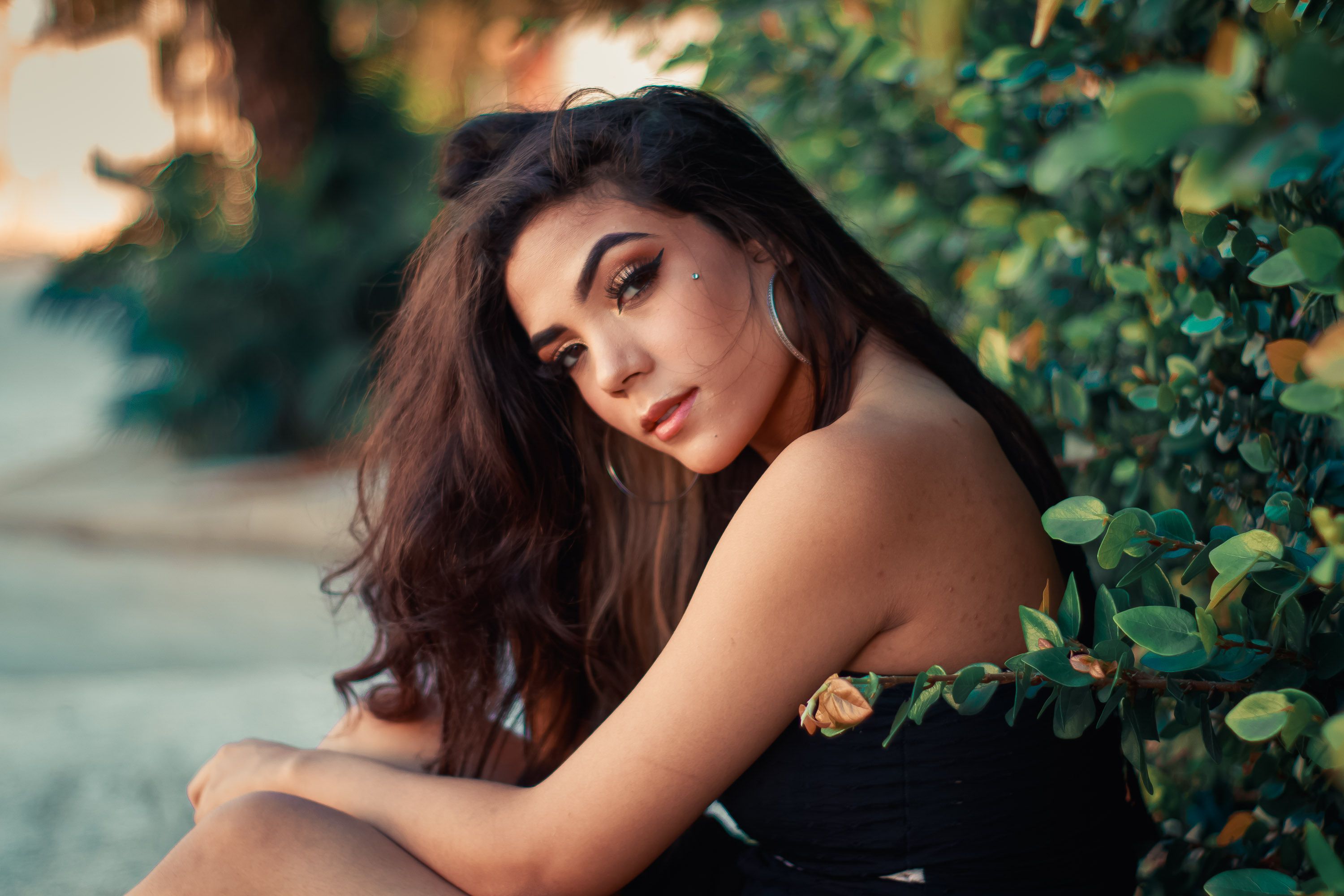
Post-processing: the edit that serves the portrait
Portrait editing is a point of significant disagreement among photographers. One school values minimal processing that preserves the natural quality of the original image. Another uses significant retouching to remove every perceived imperfection.
The approach that holds up over time is somewhere in the middle: natural skin tone preservation, removal of temporary imperfections (blemishes, redness, bags from a bad night's sleep), but retention of the texture and character that makes a face a face. Over-retouching produces portraits that look impressive as a thumbnail and uncanny at full size. The subjects often don't recognize themselves - and not in a flattering way.
A key signal when evaluating a photographer's work: look at the skin in their portfolio. Smooth porcelain skin with no texture is a sign of heavy retouching. Natural variation in skin tone, slight texture, the particular quality of how light falls on a real face - these are signs of restraint and confidence in the work.
Portrait sessions in Bangkok
Our portrait sessions in Bangkok are planned around all of these factors: light timing, location choice, the warmup built into the session structure, and an approach to direction that prioritizes your comfort over a prescribed set of poses.
We work across Bangkok's most photographically interesting locations - temple areas, parks, rooftops, riverside spots, and a few places most photographers don't know about - and we time sessions to use the city's best afternoon and evening light.
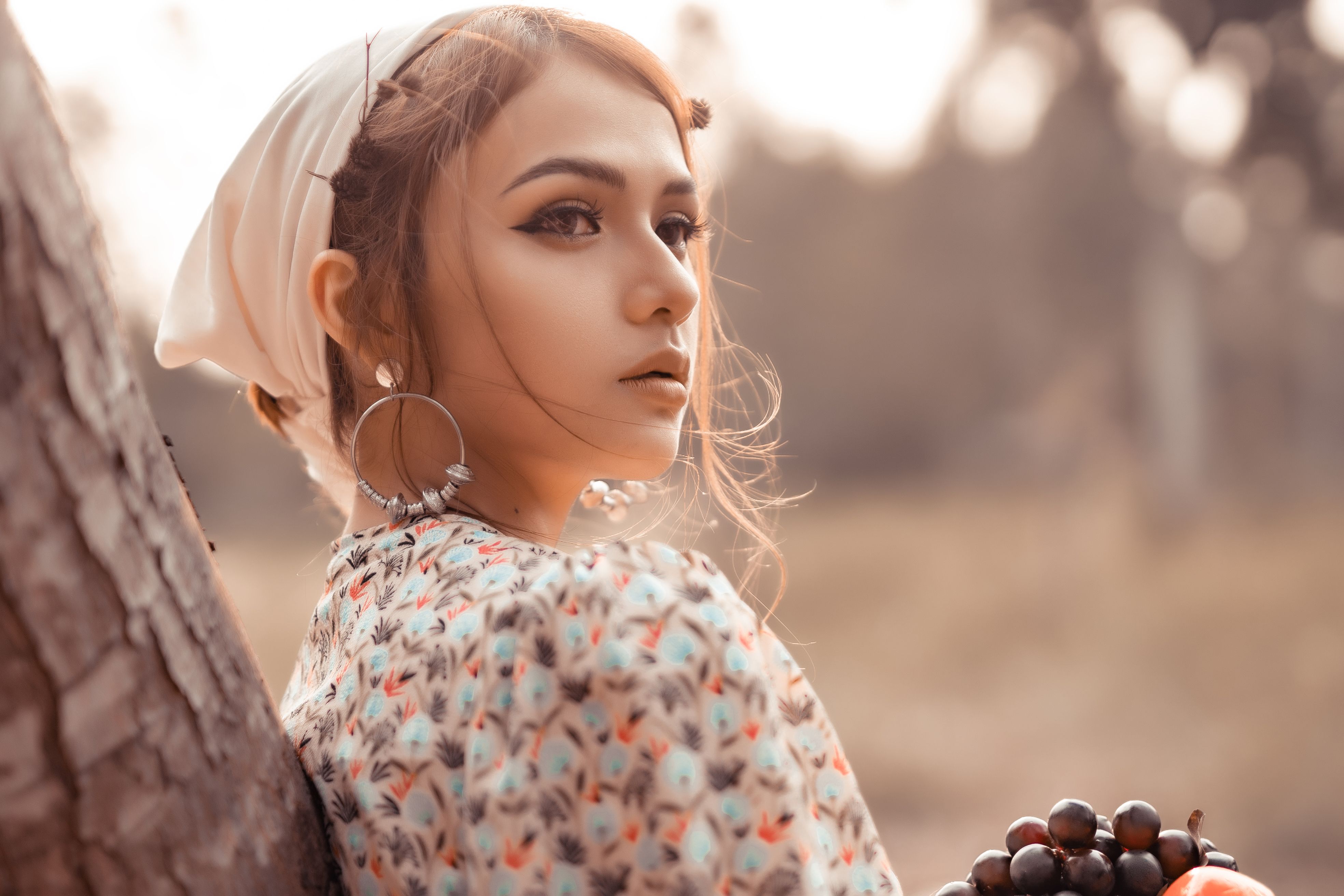
We run portrait sessions across Bangkok's most interesting locations, timed around the city's best afternoon and evening light. See our gallery and session details, then send us a message about what you have in mind.
Portrait Photoshoot